Virgin Islands National Park covers much of St. John, and its forests, salt ponds, beaches and coral reefs hold a surprising mix of wildlife for a small island. Bats are the only land mammals native to St. John. Six bat species live in the Virgin Islands, and they pollinate flowers, spread the seeds of fruit trees and eat huge numbers of insects, including mosquitoes; one kind even catches fish. Watch for them swooping after insects at dusk. Most of the other mammals you will meet were brought by people, including white-tailed deer, goats, donkeys, pigs and mongooses, many of which roam the streets of St. John. Please do not feed them. Mongooses prey on birds, reptiles and sea turtle eggs, and the park works to control these non-native animals. Offshore, dolphins swim in the surrounding waters, and in winter you may be lucky enough to see migrating whales. Snorkelers often find nurse sharks, the most common shark around St. John, resting under rock ledges or coral heads, along with southern stingrays and spotted eagle rays.
About 144 bird species can be seen in the park through the year. Roughly 35 of them are permanent residents, while warblers and shorebirds arrive from November to April and seabirds spend April to November here. The bananaquit, the official bird of the Virgin Islands, is easy to find in shrubs, gardens and forest edges, and American kestrels, known locally as “killy-killy,” hover over brushy hillsides hunting lizards and insects. The Francis Bay Salt Pond trail is the park’s best birding walk, with hummingbirds, doves, cuckoos and thrashers in the dry forest, ducks and stilts on the salt pond, and brown pelicans, boobies and magnificent frigatebirds along the beach. In the moist forest of the Cinnamon Bay Nature Loop and Reef Bay Trail, look for bridled quail-doves. Keep reading to see featured photos of Virgin Islands’ wildlife and to learn more about wildlife photography.
Featured Virgin Islands National Park Wildlife Photographs
Have a National Park Wildlife photograph you’d like featured? Contact us today to learn more!
Wildlife Photography Tips
Wildlife photography in the US National Parks offers a unique and enriching experience, as these protected areas are havens for diverse species and pristine natural landscapes. Capturing wildlife in such settings requires preparation and respect for both the environment and its inhabitants. Photographers should familiarize themselves with the specific animals and ecosystems of the park they are visiting, as each park hosts different species and behaviors. Early mornings and late afternoons, known as the golden hours, provide the best light and increased wildlife activity. Different seasons also offer different wildlife viewing opportunities. Patience and stillness are key, as the best moments often come to those who wait quietly.
If wildlife does present itself, always make sure to maintain a safe distance. Using a telephoto lens allows for close-up shots without intruding on the animals’ space. If you already own or want to own a professional grade mirrored camera like the Canon EOS 5D Mark IV Full Frame Digital SLR, we recommend using a Canon EF 100-400mm f/4.5-5.6L IS II USM Lens zoom lens for wildlife photography. If you have or are interested in a newer mirrorless model like the Canon EOS R5 Full-Frame Mirrorless Camera, we recommend using a Canon RF100-400mm F5.6-8 IS USM Black for long distance shots.
Not quite ready to invest in traditional professional-grade camera equipment but want to enhance the quality of your cell phone photographs? Consider using a Moment Tele 58mm Mobile Lens II for improved reach, and use a Moment camera case with a lens mount to attach it to your phone. Since cell phones generally cannot provide the same reach as a dedicated telephoto camera lens, never compensate by moving dangerously close to wildlife. As with any visit to a national park, it’s important to follow park regulations, practice “Leave No Trace” principles, and prioritize safety while photographing wildlife.
Want to take your wildlife photos further? Featured photographer Vella Torvik shares her field-tested advice on gear, camera settings, light, composition and safely approaching wildlife in our Wildlife Photography 101: Insider Tips From the Field masterclass.
Virgin Islands Wildlife Education and Resources
Want to learn more about Virgin Islands National Park and the wildlife that inhabits it? Check out these guides & books:
- Peterson Field Guide To Mammals Of North America: Fourth Edition (Peterson Field Guides)
- Peterson Field Guide to Birds of Eastern and Central North America, Seventh Edition (Peterson Field Guides)
- Bird Songs: 250 North American Birds in Song
- Animal Tracks: A Folding Pocket Guide to the Tracks & Signs of Familiar North American Species (Wildlife and Nature Identification)
Please note, by making purchases through our affiliate links, you are supporting our mission to celebrate and showcase our National Parks and the photographers who frequent them. As an Amazon Associate, National Park Photographer earns from qualifying purchases at no cost to you. We appreciate your support.
Virgin Islands National Park Species List
The wildlife at Virgin Islands National Park is beautiful and diverse. There are a variety of mammals, birds, reptiles, amphibians and fish to view. Check out all the incredible species this park has to offer! Click on the links below to see the different animal species that inhabit Virgin Islands National Park:
Species Spotlight
Photo posts of animals you’ll find in Virgin Islands.
Virgin Islands National Park Mammals
15 species
- Antillean Fruit-eating Bat(Brachyphylla cavernarum)
- Black Rat(Rattus rattus)
- Feral Cat(Felis catus)
- Feral Dog(Canis familiaris)
- Feral Donkey(Equus asinus)
- Feral Goat(Capra hircus)
- Feral Hog(Sus scrofa)
- Greater Bulldog Bat(Noctilio leporinus)
- House Mouse(Mus musculus)
- Jamaican Fruit-eating Bat(Artibeus jamaicensis)
- Norway Rat(Rattus norvegicus)
- Pallas’s Mastiff Bat(Molossus molossus)
- Red Fruit Bat(Stenoderma rufum)
- Small Indian Mongoose(Herpestes javanicus)
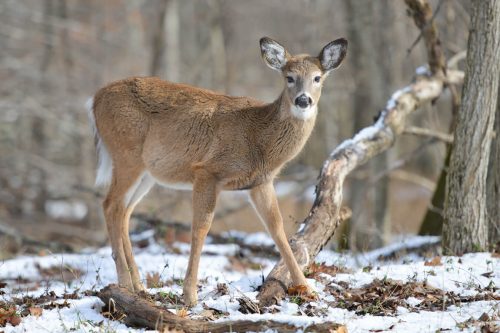
- White-tailed Deer Photo post(Odocoileus virginianus)
No mammals match.
Virgin Islands National Park Birds
173 species
- American Bittern(Botaurus lentiginosus)
- American Coot(Fulica americana)
- American Golden-plover(Pluvialis dominica)
- American Kestrel(Falco sparverius)
- American Oystercatcher(Haematopus palliatus)
- American Redstart(Setophaga ruticilla)
- American Wigeon(Anas americana)
- Antillean Crested Hummingbird(Orthorhyncus cristatus)
- Antillean Mango(Anthracothorax dominicus)
- Antillean Nighthawk(Chordeiles gundlachii)
- Arctic Tern(Sterna paradisaea)
- Audubon’s Shearwater(Puffinus lherminieri)
- Baltimore Oriole(Icterus galbula)
- Bananaquit(Coereba flaveola)
- Bank Swallow(Riparia riparia)
- Barn Swallow(Hirundo rustica)
- Bay-breasted Warbler(Dendroica castanea)
- Belted Kingfisher(Ceryle alcyon)
- Black Tern(Chlidonias niger)
- Black-and-white Warbler(Mniotilta varia)
- Black-bellied Plover(Pluvialis squatarola)
- Black-crowned Night-heron(Nycticorax nycticorax)
- Black-faced Grassquit(Tiaris bicolor)
- Black-headed Gull(Larus ridibundus)
- Black-necked Stilt(Himantopus mexicanus)
- Black-throated Blue Warbler(Dendroica caerulescens)
- Black-throated Green Warbler(Dendroica virens)
- Black-whiskered Vireo(Vireo altiloquus)
- Blackburnian Warbler(Dendroica fusca)
- Blackpoll Warbler(Dendroica striata)
- Blue Grosbeak(Passerina caerulea)
- Blue-winged Teal(Anas discors)
- Blue-winged Warbler(Vermivora pinus)
- Bobolink(Dolichonyx oryzivorus)
- Bridled Quail-dove(Geotrygon mystacea)
- Bridled Tern(Sterna anaethetus)
- Brown Booby(Sula leucogaster)
- Brown Noddy(Anous stolidus)
- Brown Pelican(Pelecanus occidentalis)
- Cape May Warbler(Dendroica tigrina)
- Caribbean Coot(Fulica caribaea)
- Caribbean Elaenia(Elaenia martinica)
- Caribbean Martin(Progne dominicensis)
- Cattle Egret(Bubulcus ibis)
- Chestnut-sided Warbler(Dendroica pensylvanica)
- Chimney Swift(Chaetura pelagica)
- Chuck-will’s-widow(Caprimulgus carolinensis)
- Clapper Rail(Rallus longirostris)
- Cliff Swallow(Petrochelidon pyrrhonota)
- Common Gallinule(Gallinula chloropus)
- Common Ground Dove(Columbina passerina)
- Common Nighthawk(Chordeiles minor)
- Common Tern(Sterna hirundo)
- Common Yellowthroat(Geothlypis trichas)
- Dickcissel(Spiza americana)
- Double-crested Cormorant(Phalacrocorax auritus)
- Dunlin(Calidris alpina)
- Glossy Ibis(Plegadis falcinellus)
- Golden-winged Warbler(Vermivora chrysoptera)
- Gray Kingbird(Tyrannus dominicensis)
- Great Blue Heron(Ardea herodias)
- Great Egret(Ardea alba)
- Great Shearwater(Puffinus gravis)
- Greater Yellowlegs(Tringa melanoleuca)
- Green Heron(Butorides virescens)
- Green-throated Carib(Eulampis holosericeus)
- Green-winged Teal(Anas crecca)
- Gull-billed Tern(Sterna nilotica)
- Helmeted Guineafowl(Numida meleagris)
- Herring Gull(Larus argentatus)
- Hooded Merganser(Lophodytes cucullatus)
- Hooded Warbler(Wilsonia citrina)
- House Sparrow(Passer domesticus)
- Indigo Bunting(Passerina cyanea)
- Kentucky Warbler(Oporornis formosus)
- Killdeer(Charadrius vociferus)
- Laughing Gull(Larus atricilla)
- Leach’s Storm-Petrel(Oceanodroma leucorhoa)
- Least Bittern(Ixobrychus exilis)
- Least Grebe(Tachybaptus dominicus)
- Least Sandpiper(Calidris minutilla)
- Least Tern(Sterna antillarum)
- Lesser Antillean Bullfinch(Loxigilla noctis)
- Lesser Scaup(Aythya affinis)
- Lesser Yellowlegs(Tringa flavipes)
- Little Blue Heron(Egretta caerulea)
- Louisiana Waterthrush(Seiurus motacilla)
- Magnificent Frigatebird(Fregata magnificens)
- Magnolia Warbler(Dendroica magnolia)
- Mangrove Cuckoo(Coccyzus minor)
- Masked Booby(Sula dactylatra)
- Merlin(Falco columbarius)
- Northern Harrier(Circus cyaneus)
- Northern Mockingbird(Mimus polyglottos)
- Northern Parula(Parula americana)
- Northern Pintail(Anas acuta)
- Northern Rough-winged Swallow(Stelgidopteryx serripennis)
- Northern Shoveler(Anas clypeata)
- Northern Waterthrush(Seiurus noveboracensis)
- Osprey(Pandion haliaetus)
- Ovenbird(Seiurus aurocapilla)
- Palm Warbler(Dendroica palmarum)
- Pearly-eyed Thrasher(Margarops fuscatus)
- Pectoral Sandpiper(Calidris melanotos)
- Peregrine Falcon(Falco peregrinus)
- Pied-billed Grebe(Podilymbus podiceps)
- Pomarine Jaeger(Stercorarius pomarinus)
- Prairie Warbler(Dendroica discolor)
- Prothonotary Warbler(Protonotaria citrea)
- Puerto Rican Flycatcher(Myiarchus antillarum)
- Puerto Rican Screech-Owl(Megascops nudipes)
- Red Junglefowl(Gallus gallus)
- Red Knot(Calidris canutus)
- Red-billed Tropicbird(Phaethon aethereus)
- Red-breasted Merganser(Mergus serrator)
- Red-eyed Vireo(Vireo olivaceus)
- Red-footed Booby(Sula sula)
- Red-tailed Hawk(Buteo jamaicensis)
- Reddish Egret(Egretta rufescens)
- Ring-billed Gull(Larus delawarensis)
- Ring-necked Duck(Aythya collaris)
- Rock Pigeon(Columba livia)
- Rose-breasted Grosbeak(Pheucticus ludovicianus)
- Roseate Tern(Sterna dougallii)
- Royal Tern(Sterna maxima)
- Ruddy Duck(Oxyura jamaicensis)
- Ruddy Quail-dove(Geotrygon montana)
- Ruddy Turnstone(Arenaria interpres)
- Sanderling(Calidris alba)
- Sandwich Tern(Sterna sandvicensis)
- Scaly-naped Pigeon(Patagioenas squamosa)
- Scarlet Tanager(Piranga olivacea)
- Semipalmated Plover(Charadrius semipalmatus)
- Semipalmated Sandpiper(Calidris pusilla)
- Sharp-shinned Hawk(Accipiter striatus)
- Shiny Cowbird(Molothrus bonariensis)
- Short-billed Dowitcher(Limnodromus griseus)
- Smooth-billed Ani(Crotophaga ani)
- Snowy Egret(Egretta thula)
- Solitary Sandpiper(Tringa solitaria)
- Sooty Tern(Sterna fuscata)
- Sora(Porzana carolina)
- Spotted Sandpiper(Actitis macularius)
- Stilt Sandpiper(Calidris himantopus)
- Swainson’s Warbler(Limnothlypis swainsonii)
- Tennessee Warbler(Vermivora peregrina)
- Tree Swallow(Tachycineta bicolor)
- Tricolored Heron(Egretta tricolor)
- Troupial(Icterus icterus)
- Upland Sandpiper(Bartramia longicauda)
- Veery(Catharus fuscescens)
- West Indian Whistling-duck(Dendrocygna arborea)
- Western Sandpiper(Calidris mauri)
- Whimbrel(Numenius phaeopus)
- White-cheeked Pintail(Anas bahamensis)
- White-crowned Pigeon(Patagioenas leucocephala)
- White-eyed Vireo(Vireo griseus)
- White-rumped Sandpiper(Calidris fuscicollis)
- White-tailed Tropicbird(Phaethon lepturus)
- White-winged Dove(Zenaida asiatica)
- Willet(Catoptrophorus semipalmatus)
- Wilson’s Plover(Charadrius wilsonia)
- Wilson’s Snipe(Gallinago delicata)
- Wilson’s Storm-Petrel(Oceanites oceanicus)
- Worm-eating Warbler(Helmitheros vermivorum)
- Yellow Warbler(Dendroica petechia)
- Yellow-bellied Sapsucker(Sphyrapicus varius)
- Yellow-billed Cuckoo(Coccyzus americanus)
- Yellow-crowned Night-heron(Nyctanassa violacea)
- Yellow-rumped Warbler(Dendroica coronata)
- Yellow-throated Vireo(Vireo flavifrons)
- Yellow-throated Warbler(Dendroica dominica)
- Zenaida Dove(Zenaida aurita)
No birds match.
Virgin Islands National Park Reptiles
16 species
- Banded Anole(Anolis stratulus)
- Common Dwarf Gecko(Sphaerodactylus macrolepis)
- Common Grass Anole(Anolis pulchellus)
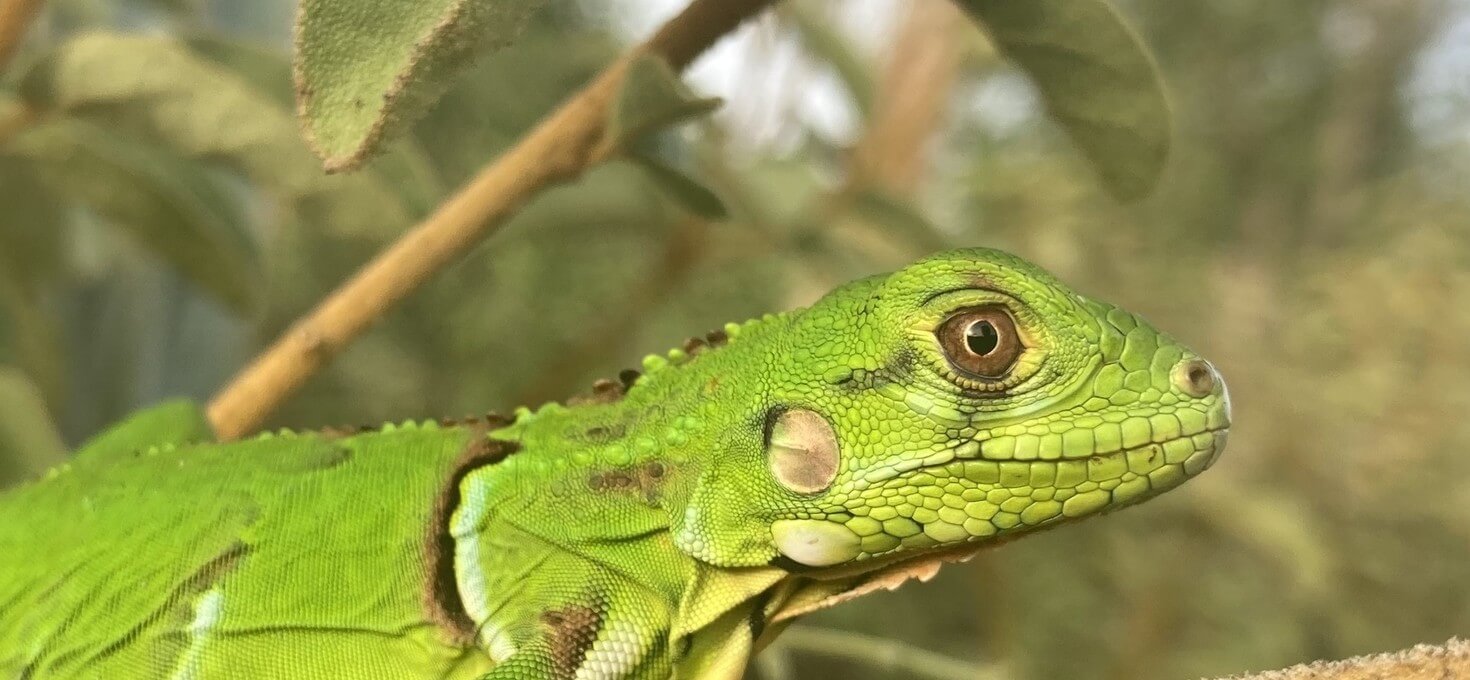
- Common Green Iguana(Iguana iguana)
- Common Puerto Rican Anole(Anolis cristatellus)
- Cope’s Worm Lizard(Amphisbaena fenestrata)
- Green Sea Turtle(Chelonia mydas)
- Hawksbill Sea Turtle(Eretmochelys imbricata)
- Leatherback Sea Turtle(Dermochelys coriacea)
- Puerto Rican Garden Snake(Arrhyton exiguum)
- Puerto Rican Ground Lizard(Ameiva exsul)
- Puerto Rican Racer(Alsophis portoricensis)
- Red-footed Tortoise(Geochelone carbonaria)
- Richard’s Blind Snake(Typhlops richardii)
- Slippery Back Skink(Mabuya sloanii)
- Tropical House Gecko(Hemidactylus mabouia)
No reptiles match.
Virgin Islands National Park Amphibians
7 species
- Antillean Coqui(Eleutherodactylus antillensis)
- Cane Toad(Bufo marinus)
- Caribbean White-lipped Frog(Leptodactylus albilabris)
- Common Coqui(Eleutherodactylus coqui)
- Cuban Treefrog(Osteopilus septentrionalis)
- Mute Coqui(Eleutherodactylus lentus)
- Whistling Coqui(Eleutherodactylus cochranae)
No amphibians match.
Virgin Islands National Park Fish
5 species
- Lemon Shark(Negaprion brevirostris)NPS: a juvenile was seen in Francis Bay (NPSpecies fish list still In Review).
- Nurse Shark(Ginglymostoma cirratum)NPS: the most common shark seen around St. John (NPSpecies fish list still In Review).
- Queen Triggerfish(Balistes vetula)Featured on NPS Virgin Islands fish pages (NPSpecies fish list still In Review).
- Southern Stingray(Dasyatis americana)Featured on NPS Virgin Islands sharks and rays page (NPSpecies fish list still In Review).
- Spotted Eagle Ray(Aetobatus narinari)NPS: sometimes seen cruising in the park’s bays (NPSpecies fish list still In Review).
No fish match.
Note: The wildlife species included in the lists above have been confirmed with the National Park Service to be present in Virgin Islands National Park. Other species may exist in the park that are currently under review or not yet known.
Do you want to be featured on National Park Photographer?
Why wait! Contact us today at nationalparkphoto@gmail.com for more information!