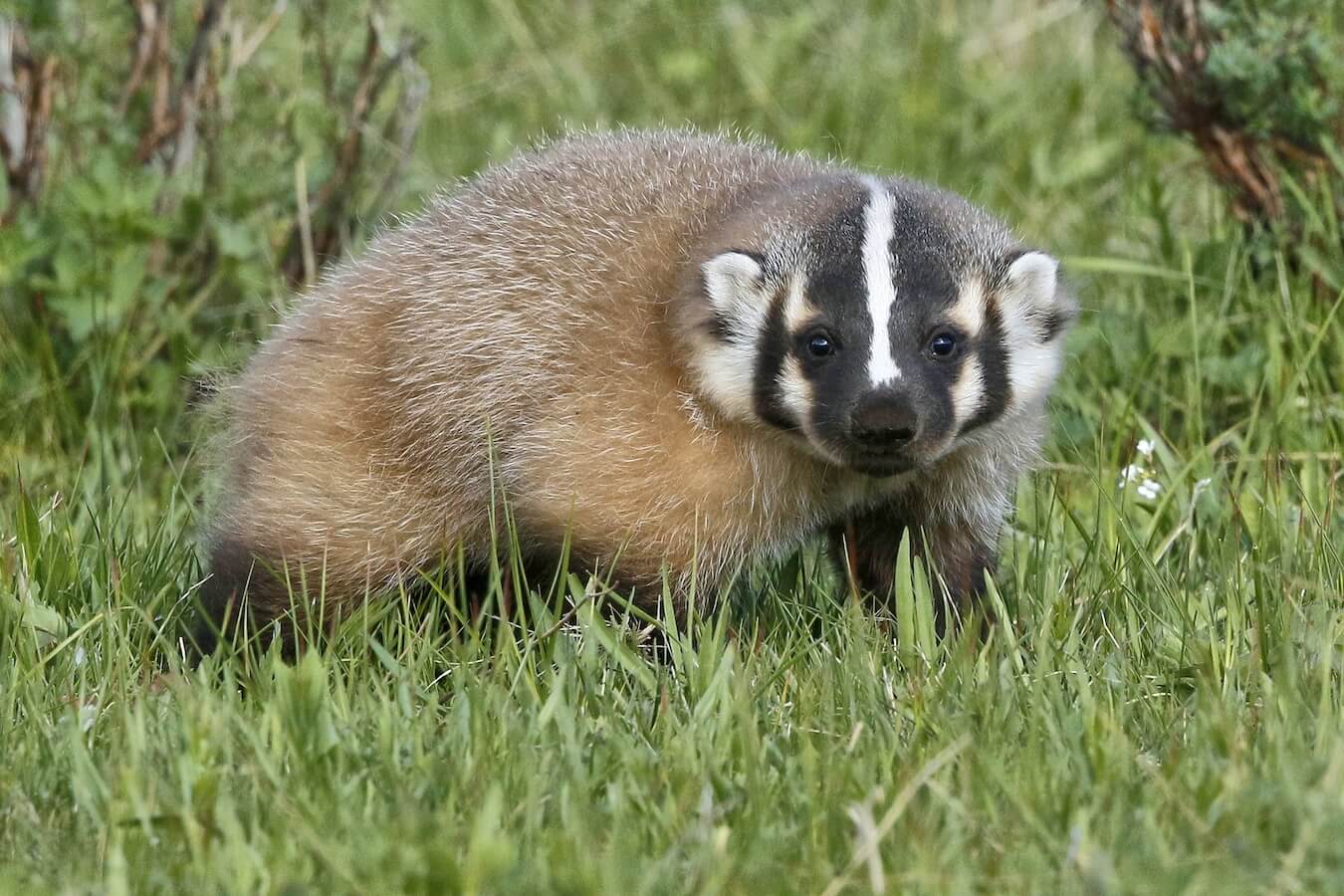
Wildlife photography is both extremely challenging and very rewarding. Combining good light, a clean background and foreground, a wildlife subject in prime condition, facing you and hopefully doing something interesting, with the essential catchlight showing in the eye, sharply focused and properly exposed is difficult. The time spent in nature watching wildlife and realizing you captured that special moment makes it all worthwhile.
Choosing the Right Camera Gear
Wildlife photography generally requires large, heavy, expensive lenses, either telephoto or prime, and a camera body capable of multiple frames per second and manual settings.
I am a Canon shooter and use the Canon R7 Mirrorless Camera with either a 100-500mm super-telephoto zoom lens, a 200-800mm super-telephoto zoom lens, or a 500mm prime lens with the 1.4 extender. My choice depends on light, subject distance, and whether I am shooting from a tripod or my truck, or if I plan on hiking. I recommend matching camera and lens brand and note that it is much less expensive to upgrade the camera body than a big lens. It is always practical to keep an extra memory card and a charged battery in your pocket and keep an eye on the weather.
Pro Tip: Don’t buy, borrow, or rent a big lens to use for the first time just before a big trip. Give yourself time to practice with it. There is a learning curve.
The Ideal Camera Settings for Wildlife Photography
Wildlife photography requires fast shutter speeds to stop subject movement and any camera shake. Speeds of 1/1000sec to 1/2500sec are common, and birds often need an even faster shutter speed. I use AI servo, high speed continuous drive, autofocus with a single point of focus with the eye detect feature enabled, and back button focus.
I shoot in manual mode, setting the aperture, shutter speed, and ISO to fit the ambient light and desired depth of field, while keeping the noise to a minimum. There are lots of good YouTube videos to help with setting a specific camera up for your designated subjects.
Mastering Focus and Composition
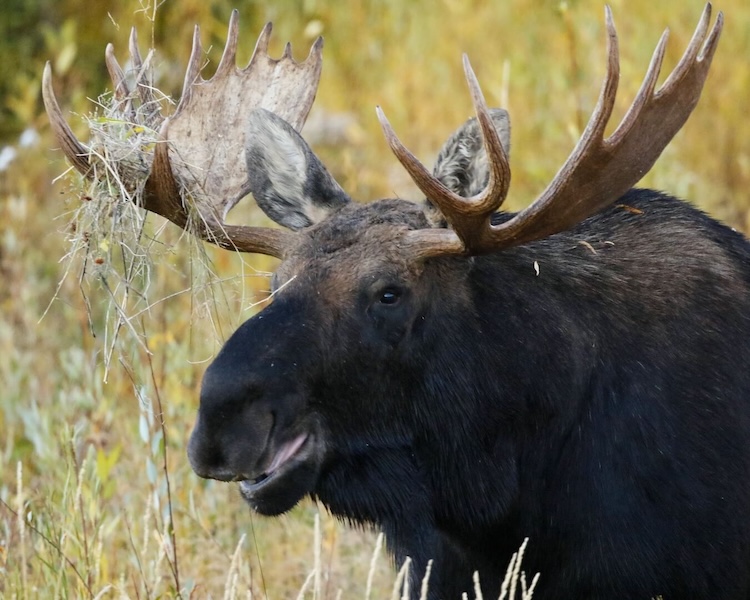
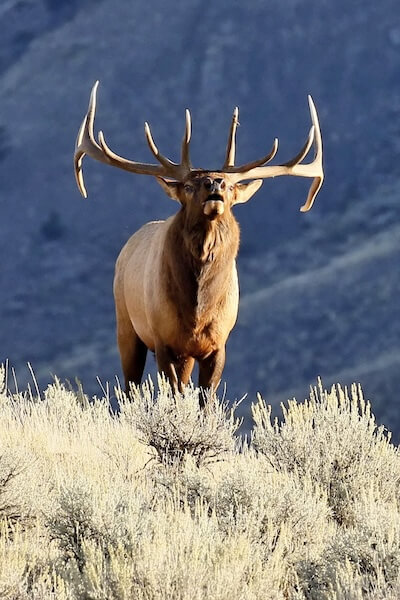
It is essential to have the eye of your subject sharply focused and showing a catchlight in wildlife photography. It is good to have room in the frame for your subject to move forward, and most of the time be slightly off center. Avoid cutting off ears, feet, and other body parts. If a subject is too close, a head shot can work well for horned animals and birds with crests or interesting feather patterns. Many birds and animals have dark coloration around their eyes, so check exposure to make sure the eye shows.
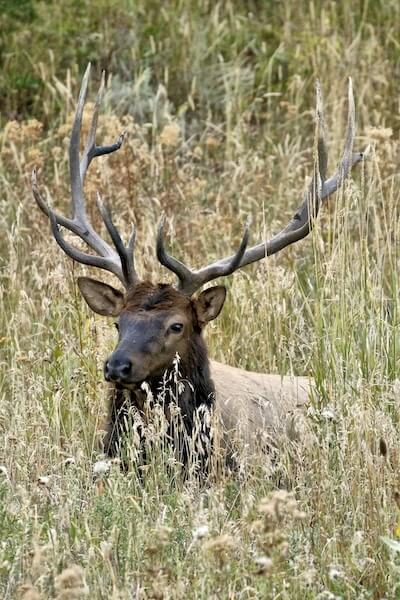
Cameras frequently have a hard time focusing on dark fur or fuzzy hides, so find a point of contrast to focus on and then recompose if the eye is too far away to focus on. Being eye level with your subject creates a better image. Branches and weeds are very distracting in an image, so try to isolate your subject with a cleaner background. Dark shadows and bright spots like white rocks, dead branches, and water reflections with bits of gray sky also detract from an image.
Working With Light and Your Natural Surroundings
Early morning and evening are great times to photograph wildlife, both for good light and increased animal activity. Storm light is amazing, and a lightly overcast day works well. Midday light on a sunny day creates harsh shadows and often heat waves, which will ruin your image.
I prefer front lighting for my wildlife photography to show detail in my subjects. Back light can create a dramatic effect as rim lighting or with a subject with long hair or feathers. Learn to notice subtle changes in light and adjust your exposure accordingly.
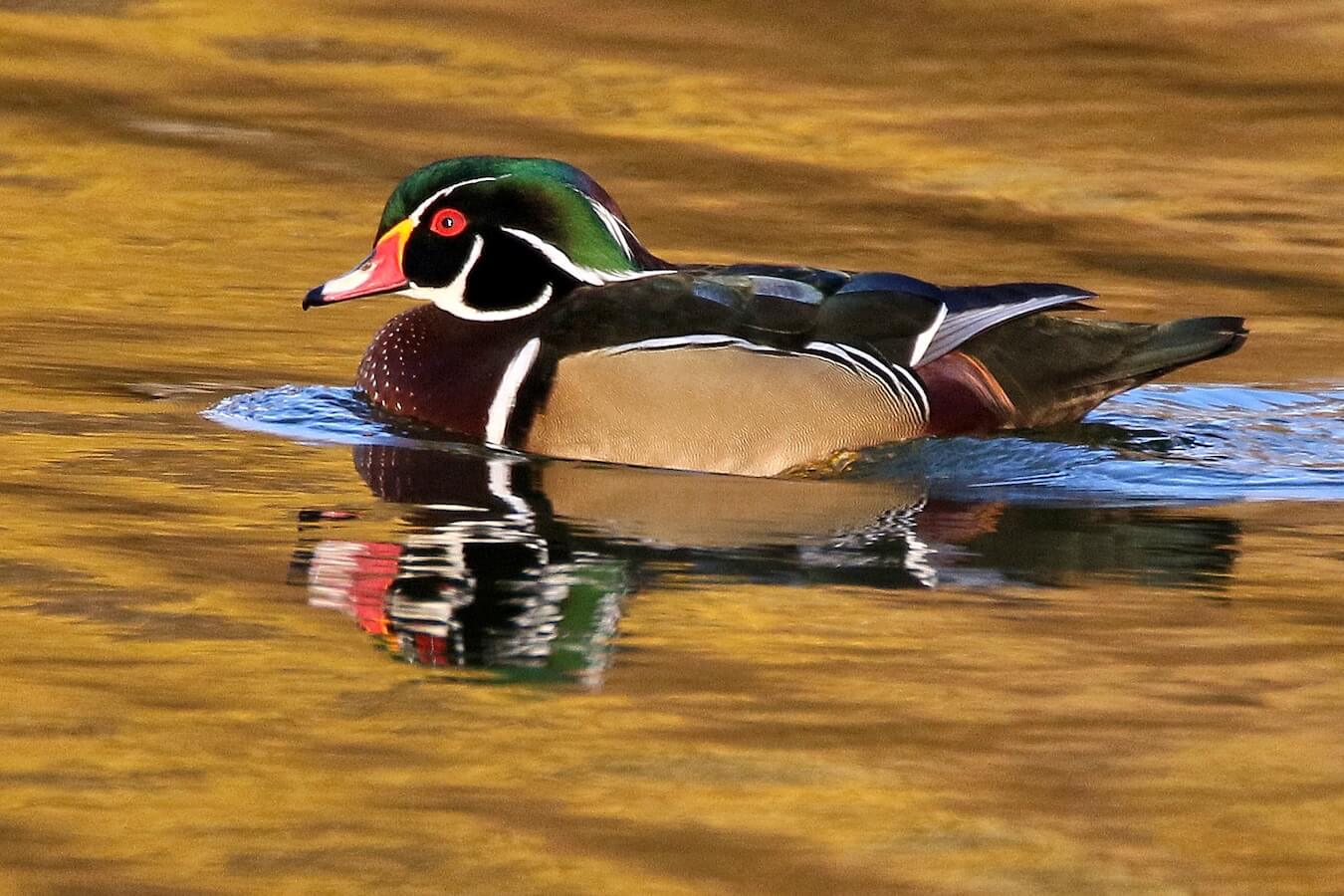
The presence of wildflowers, fall color, reflections or colored water can add drama and interest to your image. Weather conditions such as frost, dew, fog, or snow also compliment an image.
Finding and Approaching Wildlife
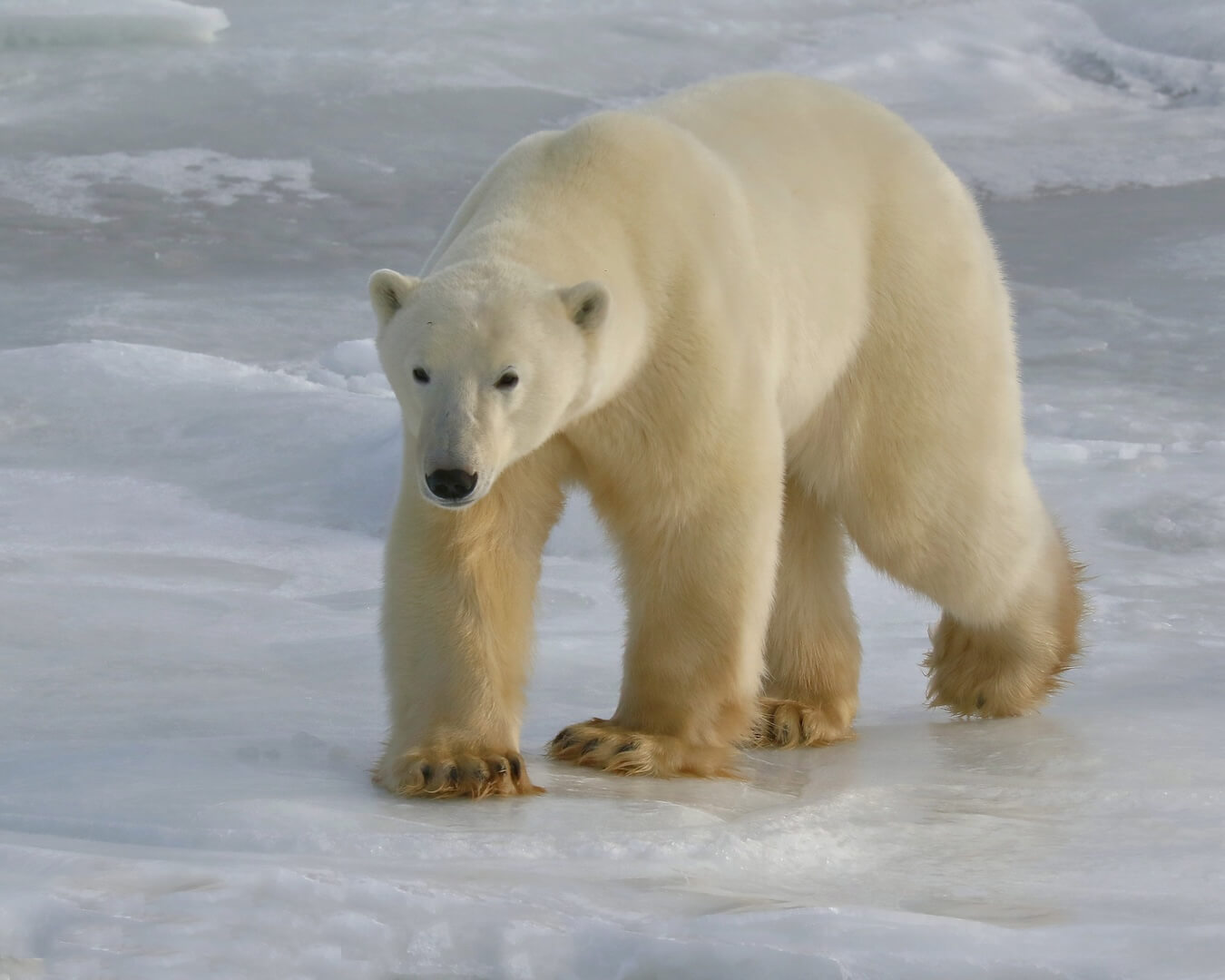
Finding wildlife close enough to photograph, in good light, a good situation, and in good condition is difficult. Animals that are shedding or have broken horns, birds that are molting, and butterflies with torn wings aren’t good subjects. Do your research and learn about feeding patterns, favorite habitats, migrations, courtship displays or mating rituals.
Yellowstone, Grand Teton, and Glacier National Parks are all good places to see North America’s large mammals. Always remember safety distances and never crowd an animal or try to maneuver their direction of movement. Approach slowly, quietly and indirectly without disturbing their behavior and give them time to accept your presence.
Pro Tip: If an animal suddenly watches something besides you, look around and see what else is there, both for safety and for a photo opportunity.
Watch your subject for subtle indications they are about to move. Never turn your back on wild animals (no selfies), especially bison, moose, bears and elk. They can be unpredictable and are way faster than you think. Do not create a traffic jam to get your shot.
Wildlife refuges, with auto tour loops, can be great for wildlife photography. Backroads on BLM and Forest Service areas can also be fun. Know where you are and respect private property. Also be aware of hunting seasons.
Tips for Photographing Different Types of Wildlife
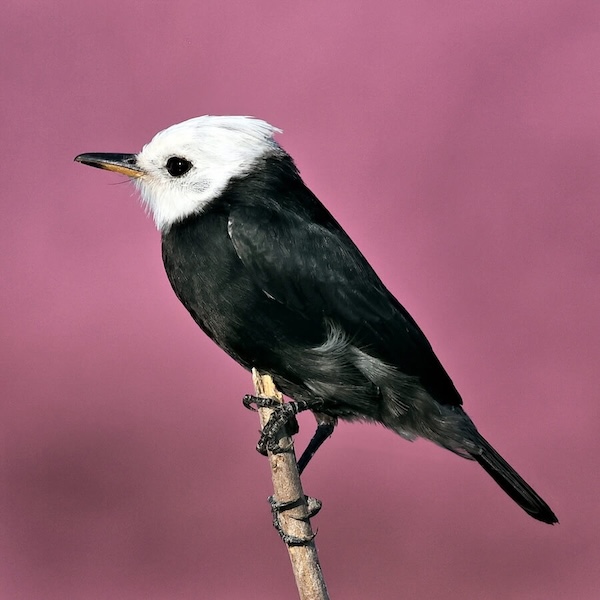
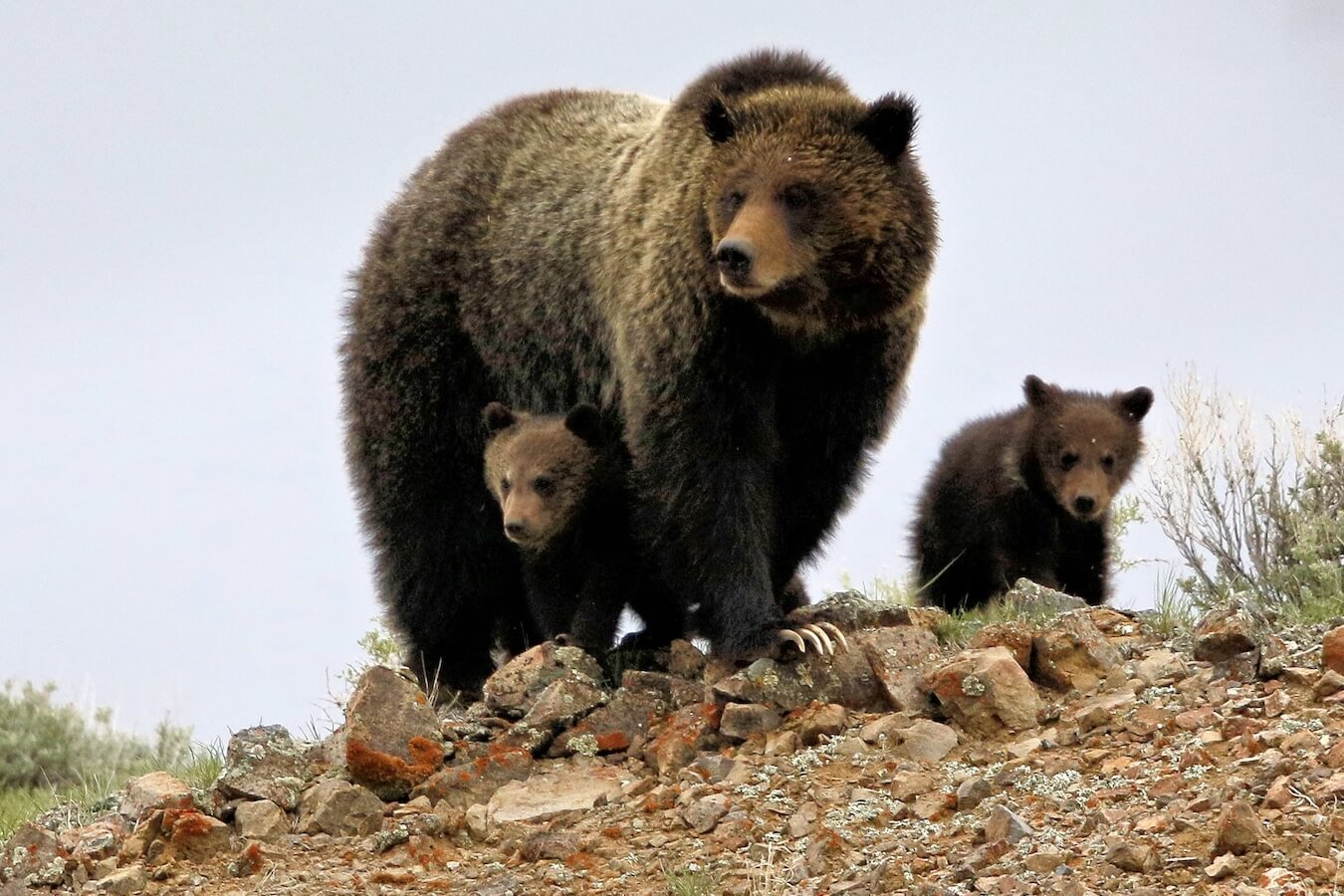
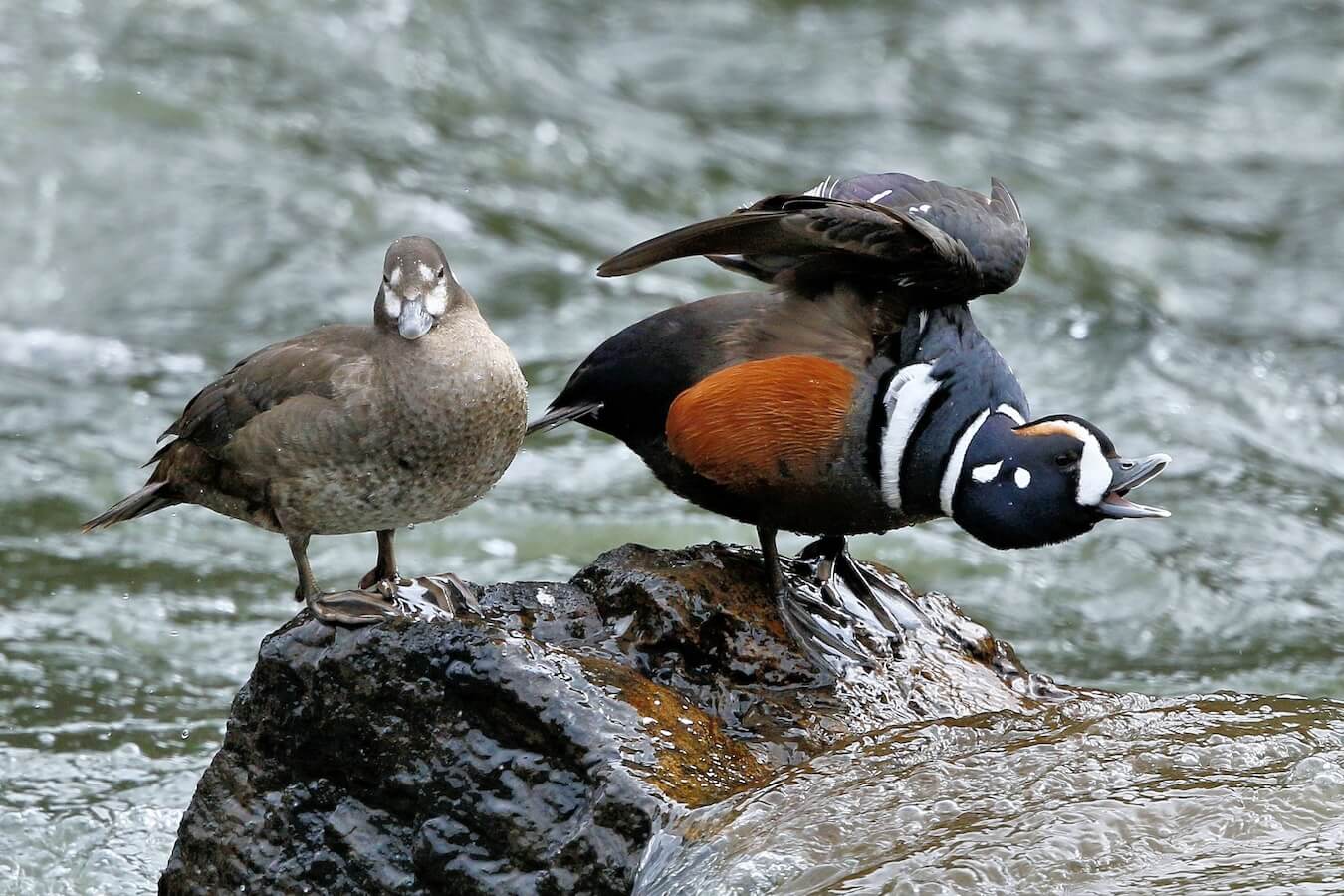
The time of year for wildlife photography matters. Songbirds, ducks, and shorebirds are best photographed in the spring, when they have their dramatic breeding colors. Bears also emerge with their cubs in the spring, and the spring is also their mating season.
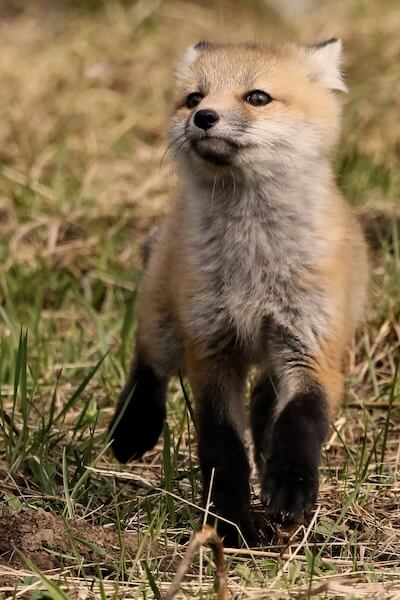
Baby animals are usually born in May and early June. Be careful not to disturb them and not to separate moms and babies. If you see a baby alone, it is safe to assume that the mom is close by. Never post the location of a nest or den.
Big game animals look their best in late summer, some with horns in the velvet. The fall rut is an excellent time to get action shots as male elk, deer, moose, or bighorn sheep battle for dominance. Bison and pronghorn have a late summer rut. Foxes are best in fall and winter
Editing Wildlife Photos
I believe the less you have to do to an image the better, so try to get it right in the camera. Cropping is useful, but try to make it no more than 50%. Small adjustments of color, clarity, vibrancy, and contrast are fine. Sharpen last.
I occasionally use the scratch remover to get rid of a small twig or blade of grass but try to keep it minimal, and I never add anything. Contests have unique specific requirements for editing. Your intended use of your image determines some of the editing choices. Always save the original and back up to an external hard drive or two.
Building a Wildlife Photography Portfolio
As you collect images and build a portfolio you will find your style. Keep the images you like and that have a “wow” factor. It is good to sort images either by subject, trip, or year, and then individually label the keepers. You can also sort by use, such as calendars, prints, notecards, or slideshows. Once you have found your favorites, print them for your wall or in a book so that you can enjoy them year round.
Closing Remarks
I believe wildlife is essential in our world and often underappreciated. I hope by sharing my images a few more people will see the beauty and diversity of the wildlife around us.
Wishing you spectacular light and fascinating subjects!
Vella Torvik, Featured National Park Photographer Ambassador
Want to learn more about Wildlife Photography? Check out these guides & books:
- Wildlife Photography: An expert guide
- Wildlife Photography: From Snapshots to Great Shots
- Photography Birds: Field Techniques and the Art of the Image
- The Ultimate Beginners Guide to Wildlife Photography: From Taking a Shot to Capturing a Moment
- Wildlife Photography: Proven Techniques for Capturing Stunning Digital Images
- Capturing the Moment, The Art & Science of Photographing Wild Animals
- The Wildlife Photography Workshop
Please note, by making purchases through our affiliate links, you are supporting our mission to celebrate and showcase our National Parks and the photographers who frequent them. As an Amazon Associate, National Park Photographer earns from qualifying purchases at no cost to you. We appreciate your support
Check out our National Park Wildlife page to learn more about the wildlife in our US National Parks!
Do you want to be featured on National Park Photographer?
Why wait! Contact us today at nationalparkphoto@gmail.com for a chance to be featured as a National Park Photographer!