📍 Location & Trail Information
The Anhinga Trail is a wonderful, easy to access trail located near the entrance to Everglades National Park in Florida. For photographers visiting the park for the first time, it provides an excellent introduction to the unique landscapes and abundant wildlife that make the Everglades such a spectacular place to photograph.
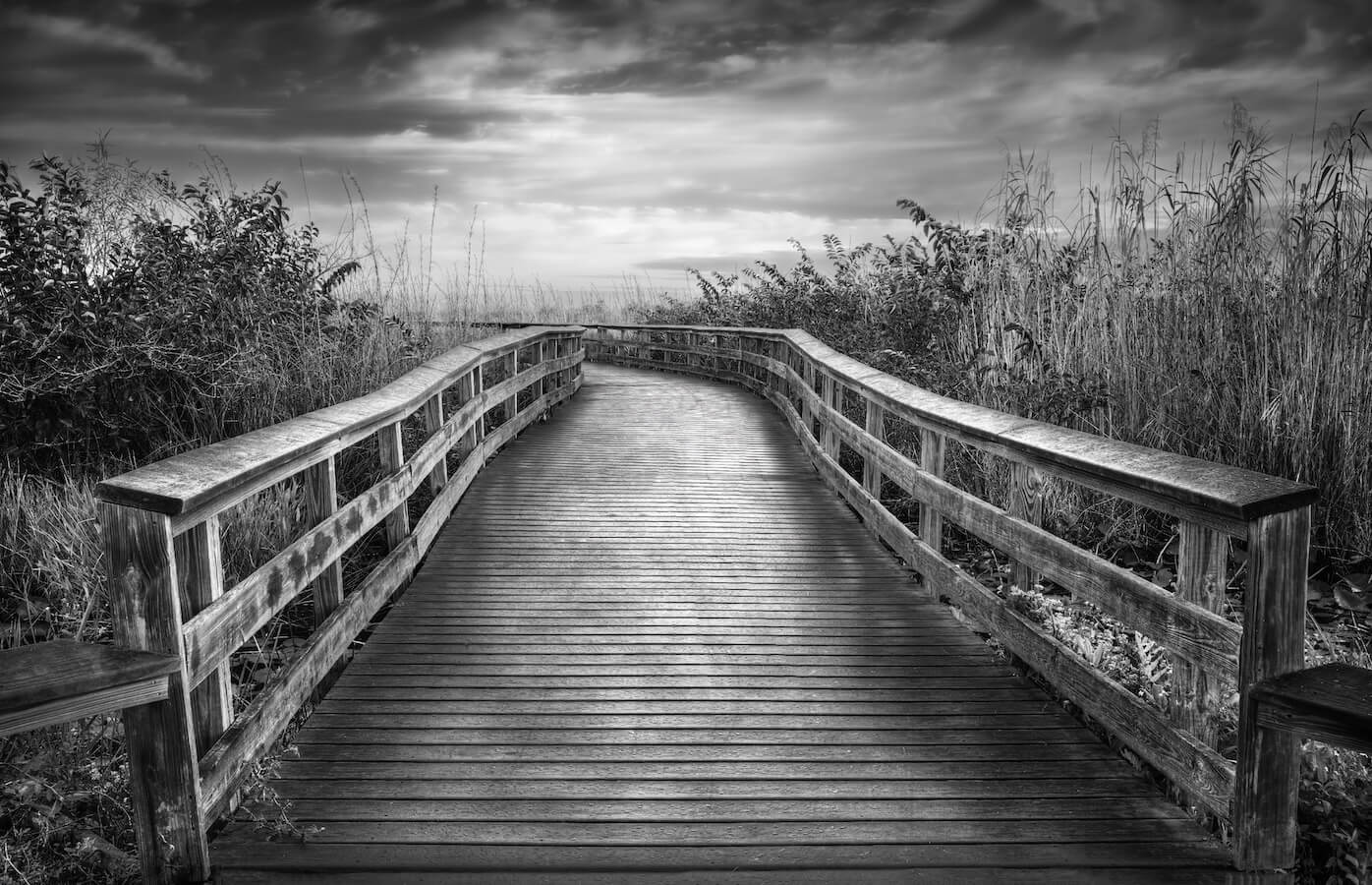
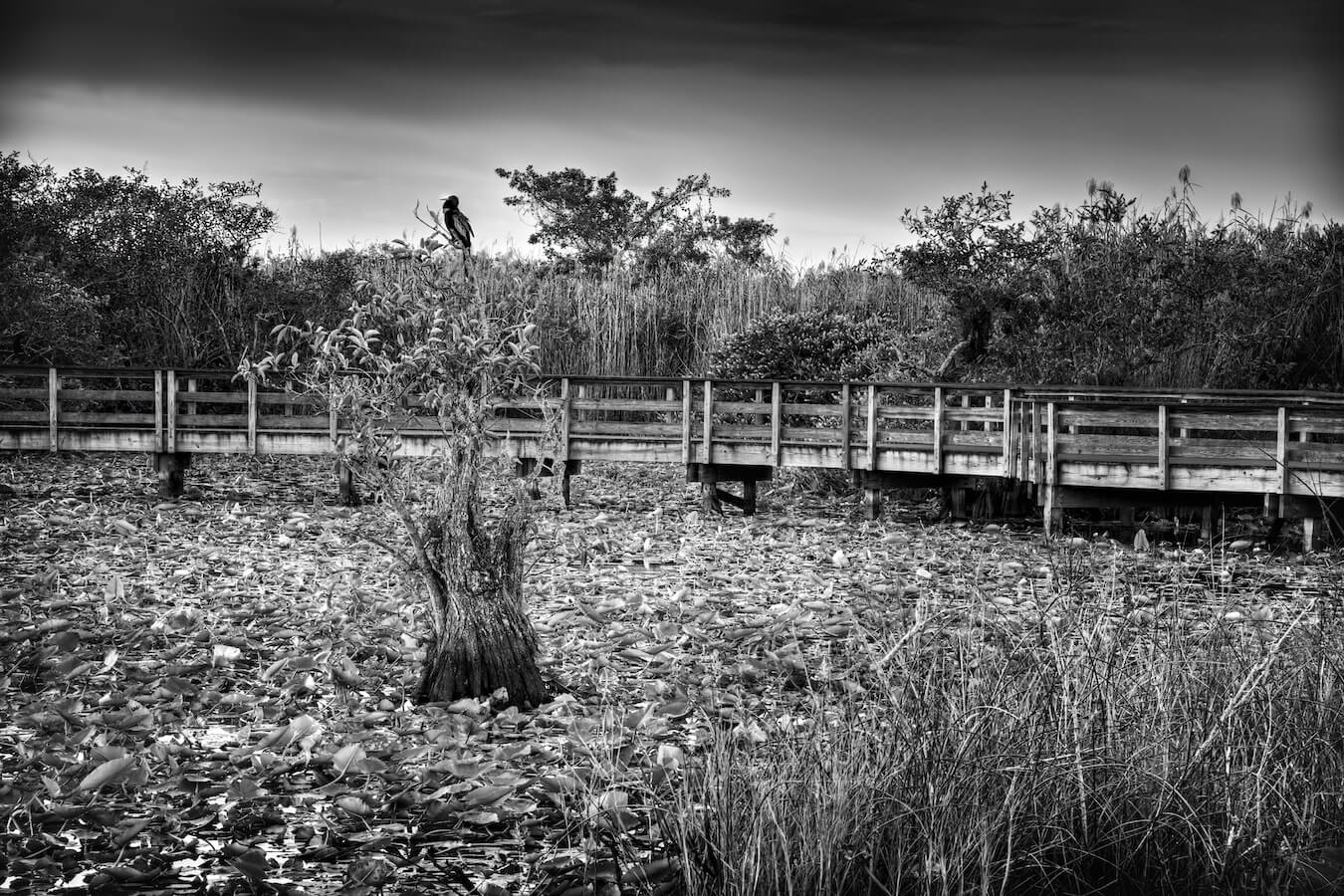
The trail is relatively flat and begins as a paved walkway before leading onto several elevated boardwalks that extend into the sawgrass marsh and swamp areas. The entire trail is short enough to comfortably complete in less than an hour, although photographers will likely want to spend considerably more time along the route searching for wildlife and waiting for the right light.
Accessing the Anhinga Trail
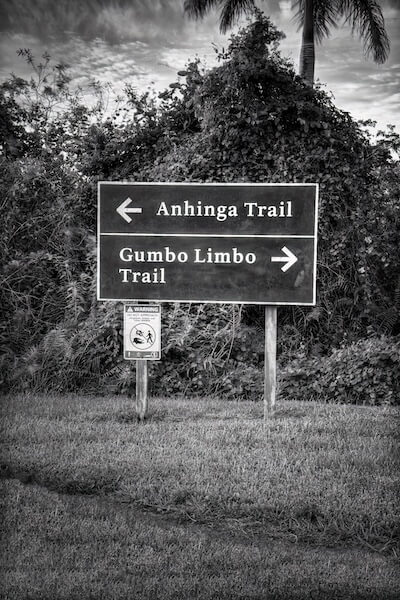
The Anhinga Trail is located a very short distance from the entrance to Everglades National Park at the Royal Palm Visitor Center turnout. After parking, walk behind the visitor center building toward the trailhead. A large sign clearly marks the beginning of the trails.
There are actually two trails that begin at this location. The Anhinga Trail begins to the left, while the Gumbo Limbo Trail begins to the right. Both trails are worth exploring and provide an opportunity to experience the unique environment of the Everglades.
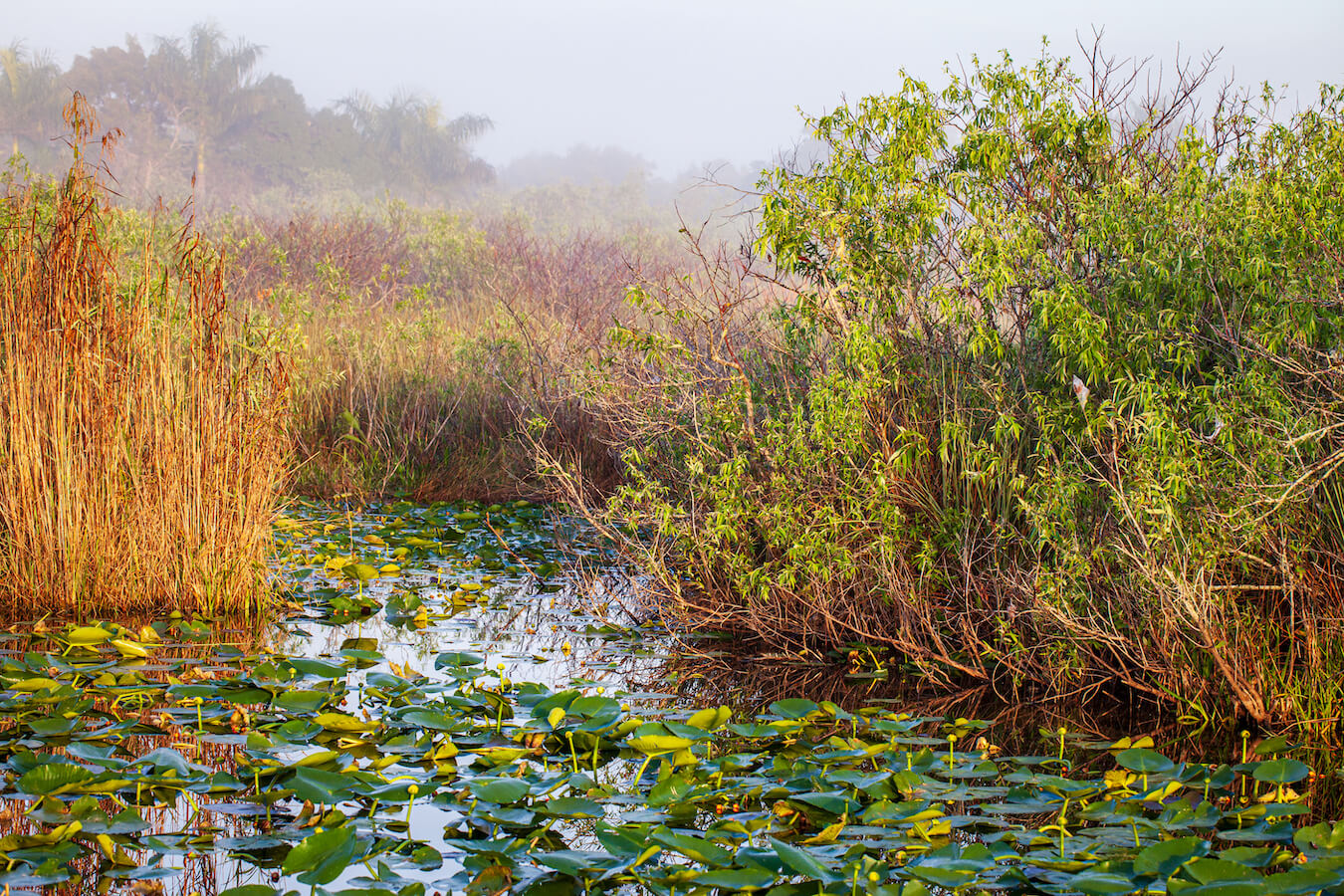
During my visit, I was especially glad that the Anhinga Trail was first on my list. I arrived just as the sun was rising, and the early morning light provided beautiful illumination for the many subjects along the trail. The combination of soft morning light, water, reflections, vegetation, and wildlife made it a very productive place to begin my photography.
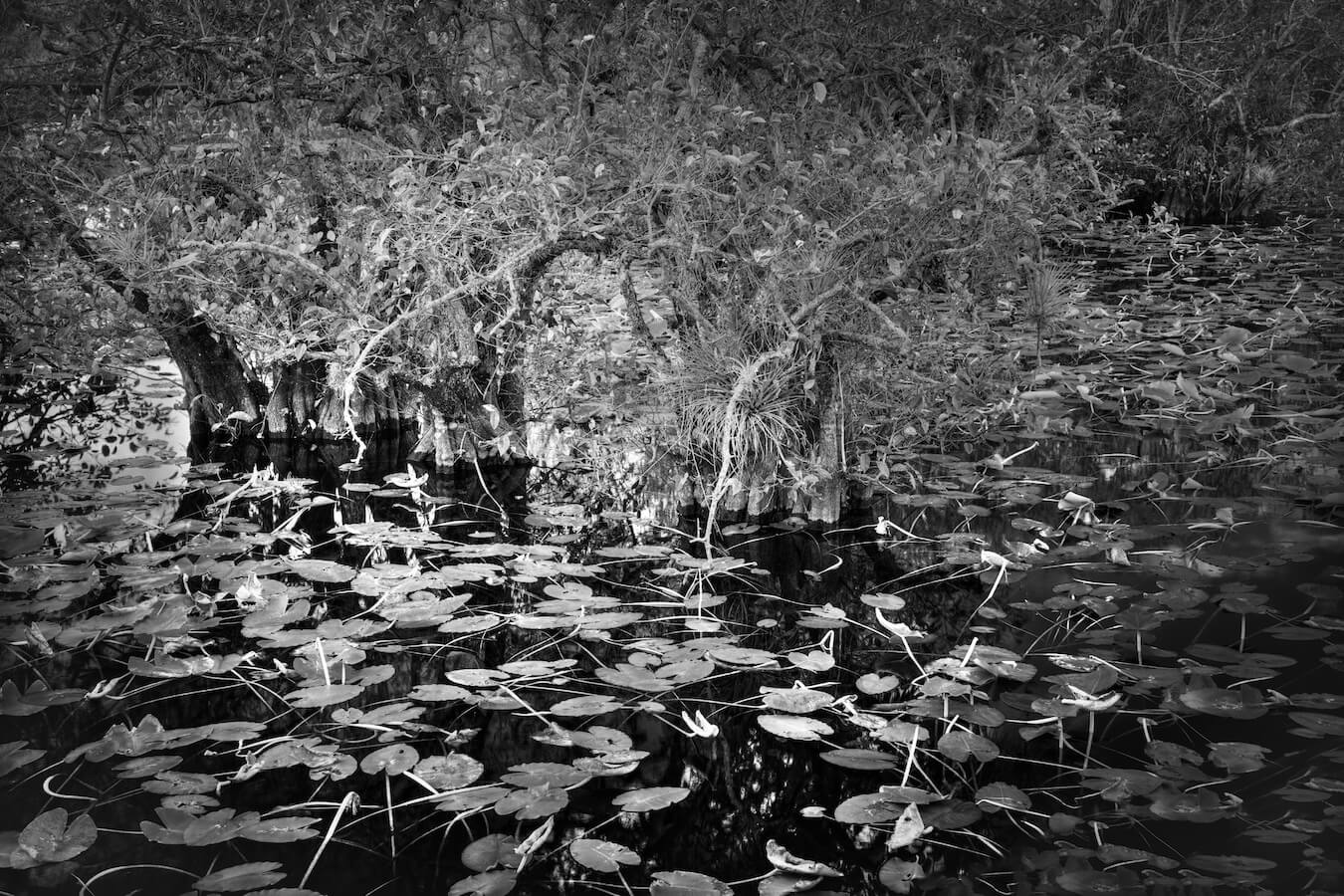
I also explored the Gumbo Limbo Trail, which begins right next to the Anhinga Trail. I found it interesting and enjoyed getting a closer look at the vegetation and landscape of the Everglades. However, the vegetation was considerably thicker, and I encountered many more mosquitoes than I did on the Anhinga Trail.
While the Gumbo Limbo Trail is certainly worth exploring if you have the time, my preference is to visit the Anhinga Trail first. For photographers especially, it offers a greater variety of subjects and more open views of the marsh and wildlife.
Best Time of Year to Visit the Anhinga Trail
I visited the Anhinga Trail in the fall, when the water throughout the grasslands was full and created excellent opportunities for reflection photography. The combination of calm water, sawgrass, and surrounding vegetation provided beautiful reflections and added another dimension to the landscape photographs.
That said, the Anhinga Trail is accessible throughout the year, and each season brings changes to the appearance of the Everglades. Water levels, grasses, vegetation, and lighting conditions can all change with the seasons, giving the landscape a different character from one visit to the next.
For photographers, this seasonal variation is one of the trail’s greatest attractions. A visit during one season can look dramatically different from a visit at another time of year. Whether you are interested in wildlife, reflections, landscapes, or the subtle patterns and textures of the Everglades, every season offers its own unique photographic possibilities.
If you have the opportunity to return to the Anhinga Trail at different times of the year, I highly recommend doing so. You may discover that the same boardwalk and landscape provide an entirely different photographic experience with each visit.
Photography Tips for the Anhinga Trail
Recommended Gear and Equipment
The Anhinga Trail is an easy and accessible location with a wide variety of photographic subjects close at hand. Because of this, almost any type of camera can be used to produce excellent photographs here. You do not need expensive equipment to take advantage of the many opportunities along the trail.
I use a full-frame digital camera with a 24–120mm zoom lens and a tripod for much of my photography. However, a tripod is certainly not necessary for most photographers visiting the Anhinga Trail. The trail provides plenty of opportunities for handheld photography, particularly when photographing wildlife or moving subjects.
If you are primarily interested in photographing birds and other wildlife, I recommend bringing a lens with a longer focal length. A telephoto lens will allow you to get closer to distant subjects and fill more of the frame without disturbing the wildlife. Even when animals are relatively close to the boardwalk, the additional reach can make a significant difference in the resulting photograph.
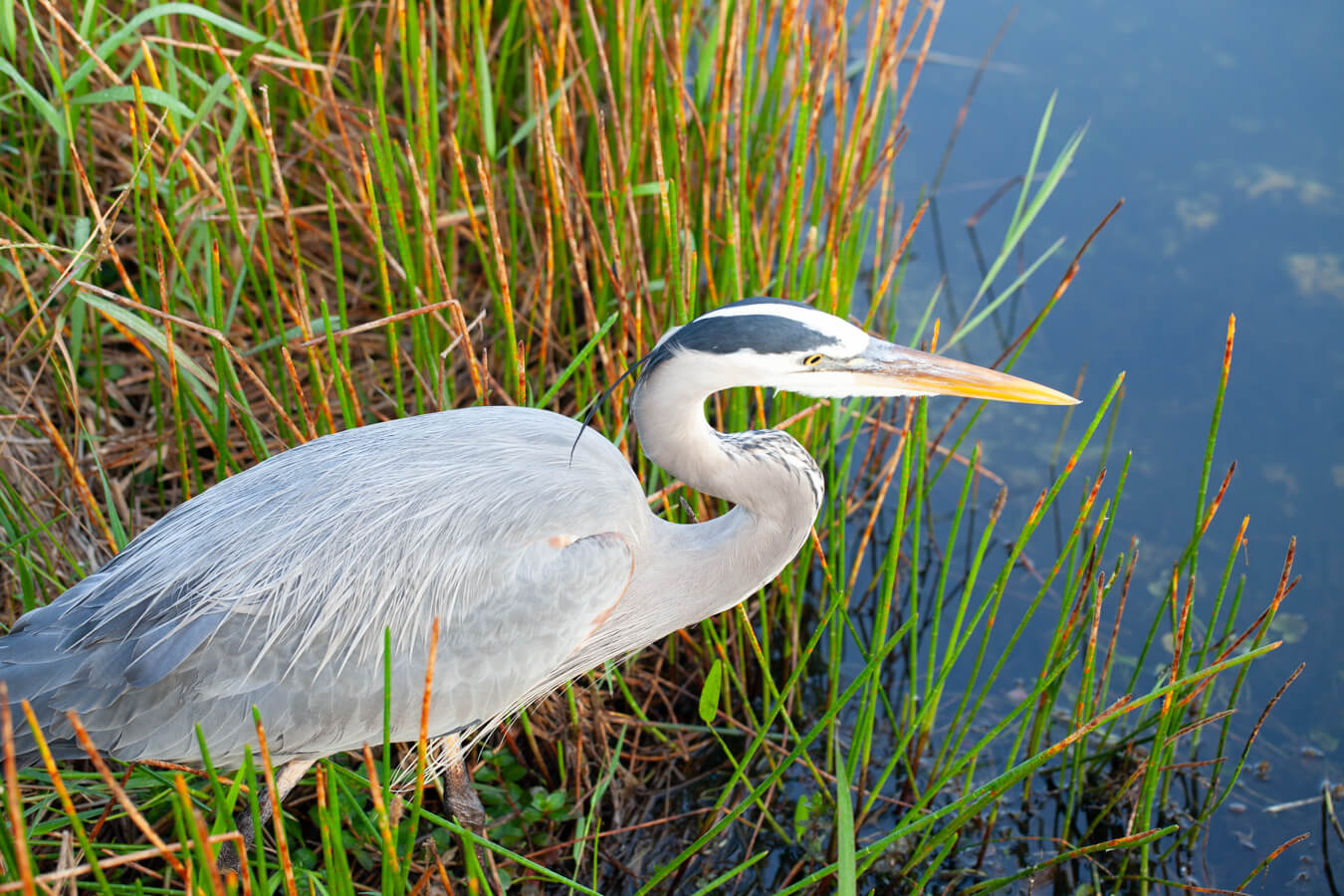
Photographing Wildlife Along the Anhinga Trail
One of the great advantages of the Anhinga Trail is the opportunity to photograph wildlife at a relatively close range. Alligators, herons, egrets, turtles, and other wildlife are often seen in and around the water and along the boardwalk. Because wildlife can appear unexpectedly close to the trail, visitors should remain alert and keep small children close by.
For wildlife photographers, patience is often more important than distance. Rather than simply walking the trail looking for the next subject, take time to stop at the boardwalk overlooks and carefully scan the water and vegetation. An alligator may be nearly invisible except for its eyes, while an anhinga or heron may suddenly appear on a branch or take flight across the marsh. (For more wildlife photography tips, check out this Wildlife Photography 101 Masterclass!)
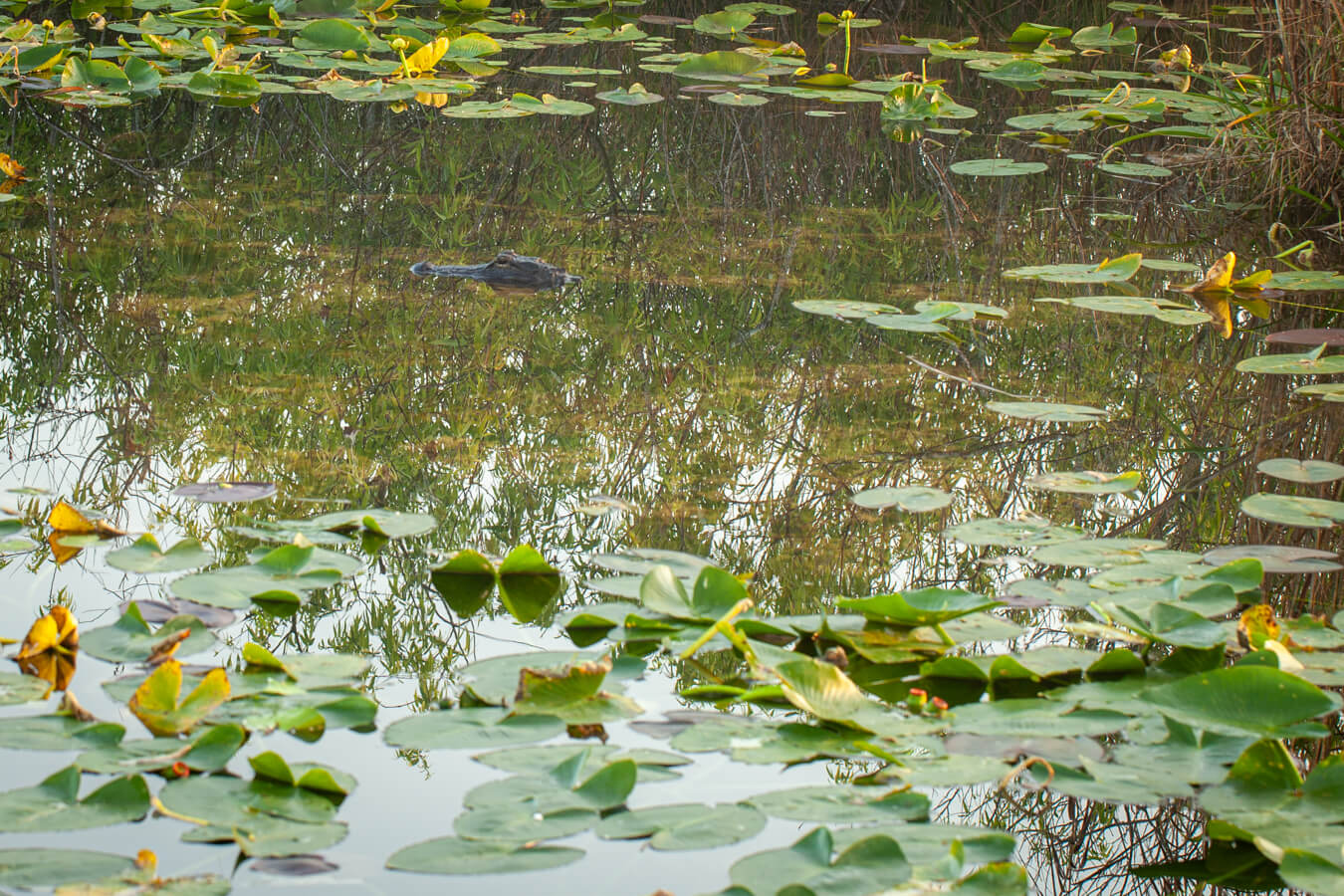
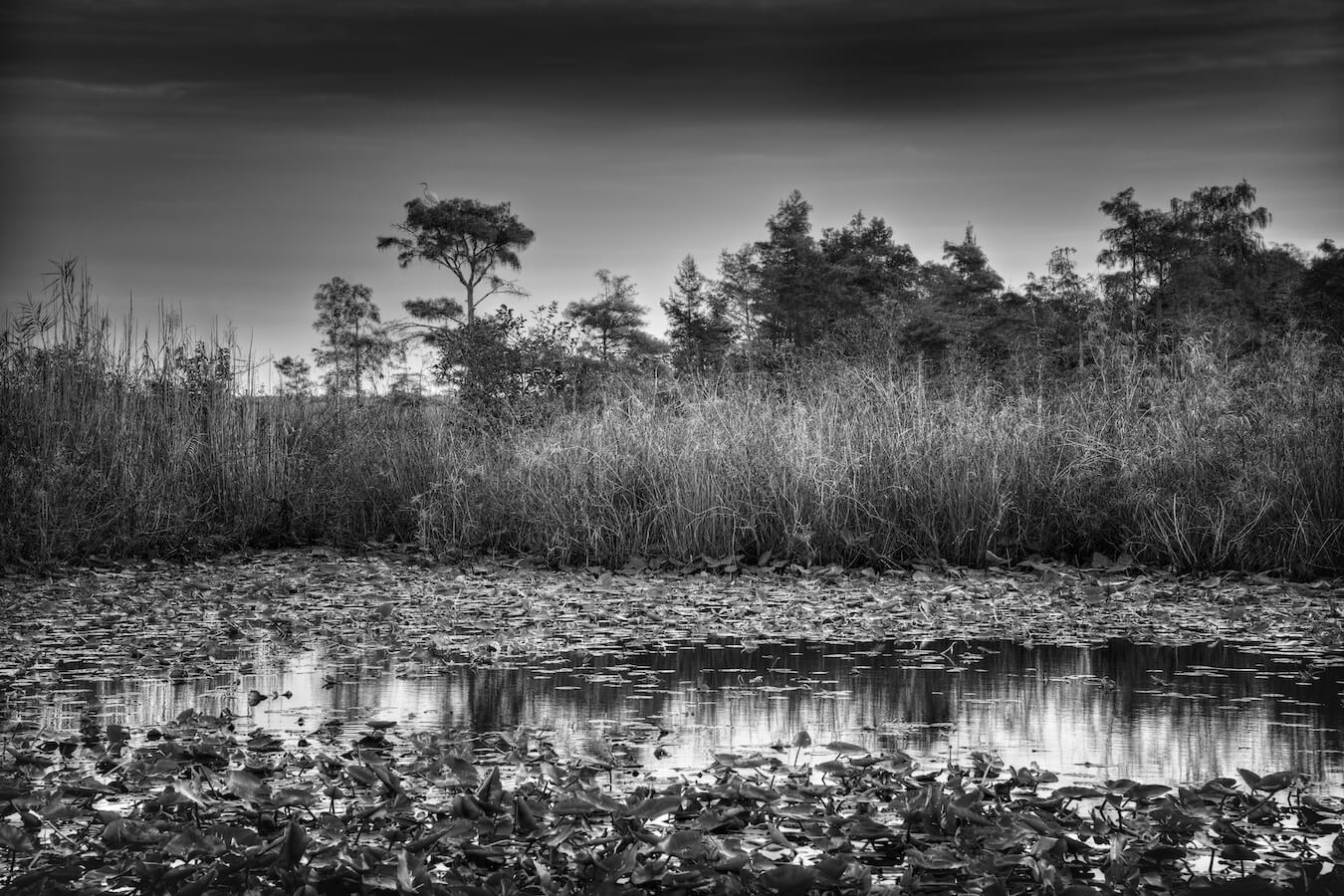
The trail also offers opportunities beyond wildlife photography. The reflections, grasses, open water, cypress trees, and expansive sky provide numerous possibilities for landscape and environmental photographs. These elements can be especially effective when photographed with the soft light of early morning.
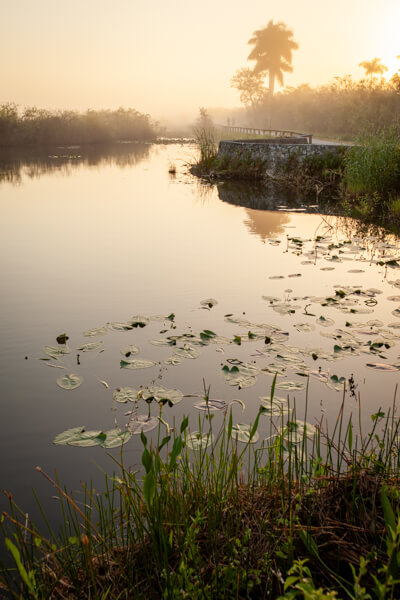
The Best Time of Day to Photograph the Anhinga Trail
I traveled the Anhinga Trail at sunrise, which is my preferred time for photography. The early morning light can be particularly beautiful across the marsh, creating soft illumination and subtle reflections in the water. The cooler morning temperatures can also provide comfortable conditions for spending time along the boardwalk while watching for wildlife.
In addition to providing beautiful light, there will generally be fewer visitors, making it easier to find a good location and, if you are using one, set up a tripod without interfering with other visitors.
On my recent visit at sunrise, there were only a few other people on the trail and just one other photographer. The quiet conditions made it much easier to take my time, look for interesting compositions, and wait for the right photographic opportunity.
The golden hours around sunrise and sunset generally provide the most attractive light for photography. The lower angle of the sun can add warmth, contrast, and dimension to the landscape while creating more interesting shadows and reflections. Late afternoon can also be an excellent time to photograph the trail as the changing light begins to transform the appearance of the marsh.
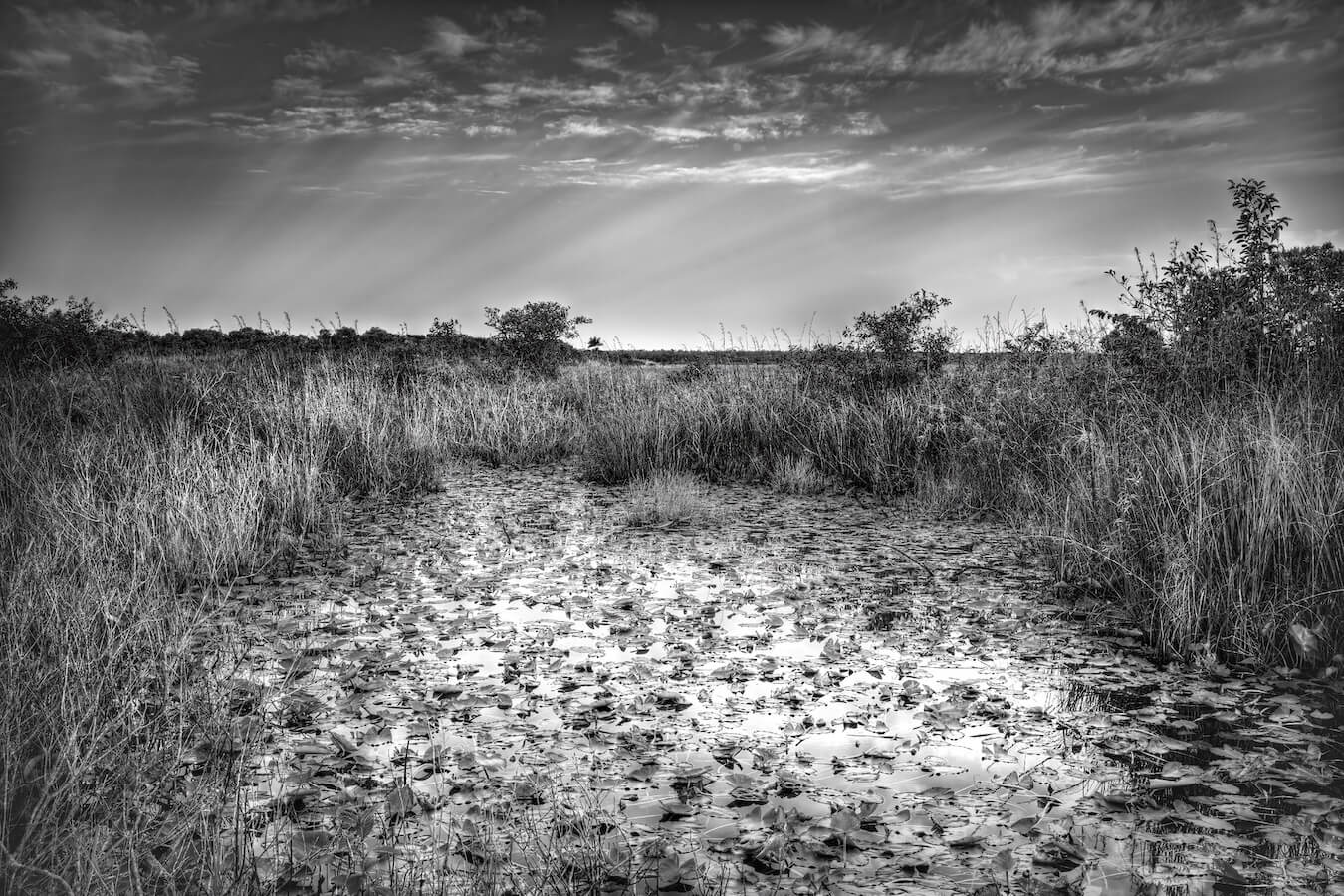
Color or Black and White?
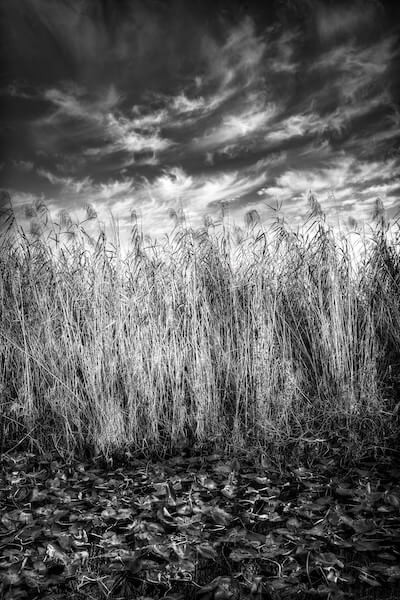
I photograph most of my images with the intention of creating black-and-white photographs, so I am always looking for interesting lighting, shadows, reflections, textures, and atmospheric conditions that will translate well into monochrome.
The Anhinga Trail works exceptionally well for this type of photography. The patterns of the sawgrass, reflections in the water, silhouettes of trees and birds, and changing light can all create strong black-and-white compositions.
That said, this is also an excellent location for color photography. The greens of the vegetation, blue skies, warm early- and late-day light, and colorful wildlife can produce beautiful color images. Whether you prefer color or black and white, the Anhinga Trail provides plenty of opportunities to create compelling photographs. (If you want to learn more about black and white photography, check out my Black and White Photography Masterclass!)
Don’t Forget Your Phone
I also used my phone to take many photographs during my visit. This is a good reminder that you don’t need a professional camera to enjoy the photographic opportunities along the trail.
My advice is simple: whatever camera you have, take it with you and use it. Look carefully at the landscape, watch for wildlife, and pay attention to the changing light. The Anhinga Trail offers so many interesting subjects that you are almost certain to come away with some wonderful photographs—and, just as importantly, some amazing visual memories of your visit to the Everglades.
Exploring the Everglades Beyond the Anhinga Trail
The Anhinga Trail is the first of more than a dozen trails and stops that can be found along the main park road, and it is certainly one of the best. However, it is only the beginning of what Everglades National Park has to offer photographers and visitors. The 38-mile drive from the park entrance to Flamingo provides numerous opportunities to stop, explore, and photograph the constantly changing landscape of the Everglades.
I would recommend allowing at least a full day to travel this road. Take your time, stop at several of the trails, and explore the different environments along the way. Each location provides its own opportunities to photograph the wetlands, wildlife, vegetation, waterways, and changing landscapes that make the Everglades so unique.
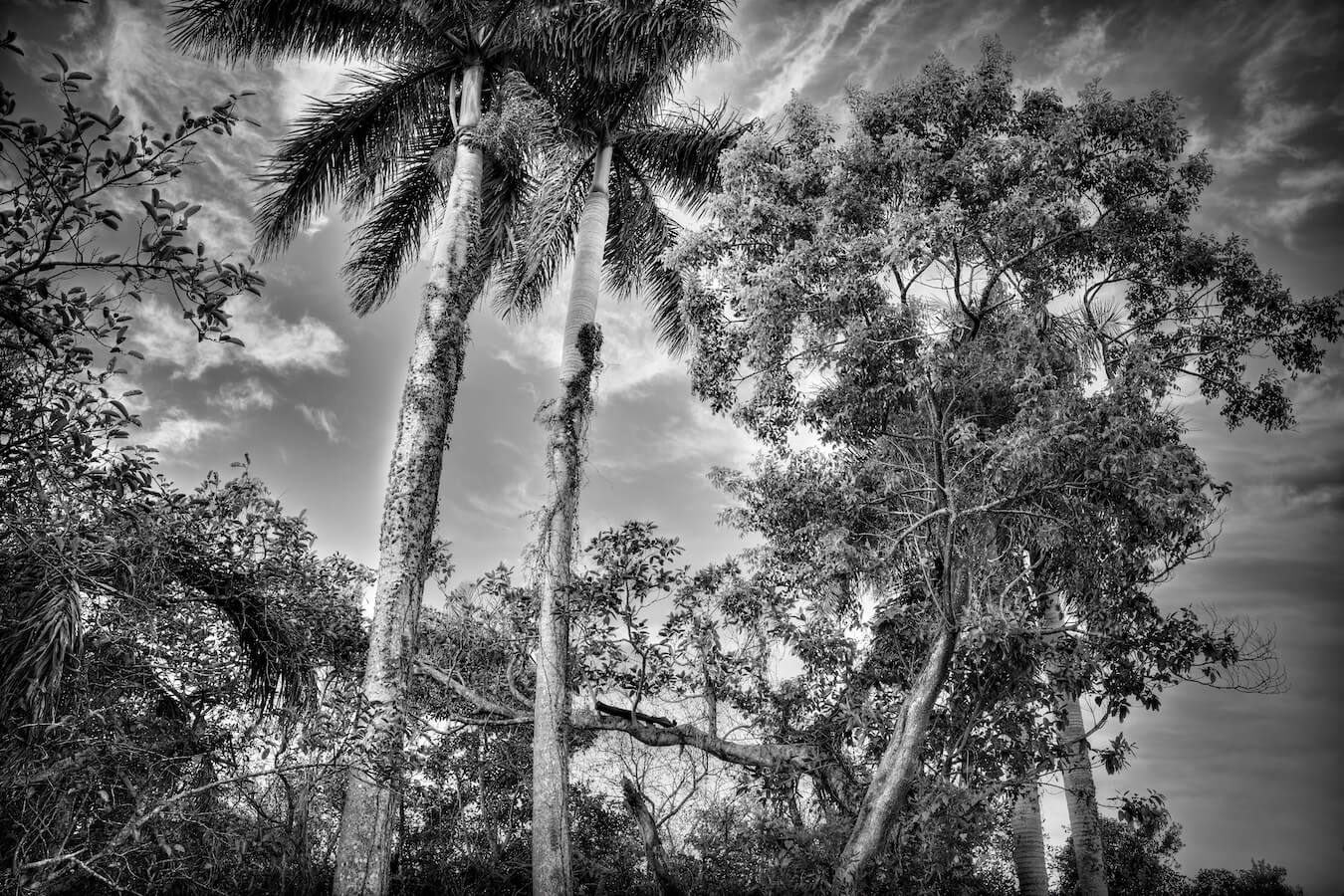
I also noticed numerous places where visitors can launch canoes and explore the waterways. Traveling by canoe would provide an entirely different perspective and offer photographers access to areas that cannot be reached from the roads and trails. For those looking for an even broader experience, Flamingo offers boat tours into the bay waters of the park, providing opportunities to see and photograph some of the islands and waterways from the water.
One of the great advantages of Everglades National Park is its accessibility. The park is less than an hour’s drive from many locations in the greater Miami and South Florida area, making it a relatively easy destination for anyone wanting to experience one of America’s most unique national parks.
There is also another entrance to the park from the north, near Big Cypress National Preserve, providing an additional opportunity to explore the Everglades. If you have the time, I highly recommend exploring this area as well. The different roads, trails, and waterways provide an even greater appreciation for the enormous variety of landscapes found within the park.
Closing Remarks
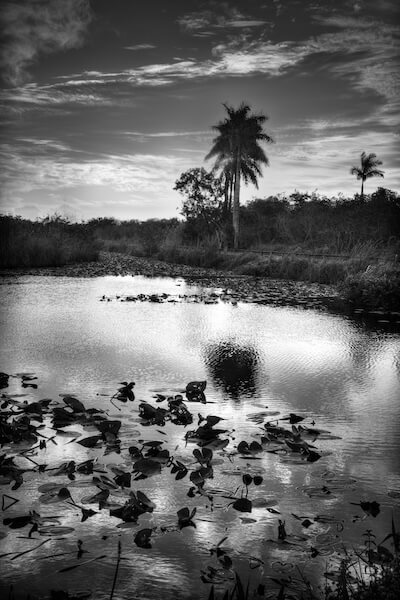
The Everglades is much more than a place to simply drive through. It is a vast and constantly changing landscape filled with water, wildlife, vegetation, and light.
If you are visiting Everglades National Park for the first time, I highly recommend putting the Anhinga Trail near the top of your list. It is short, easy to explore, and packed with photographic possibilities. And if you arrive early enough to watch the sun rise over the Everglades, you may find, as I did, that it is the perfect way to begin your exploration of this remarkable national park.
Happy Travels!
Gary Wagner, Featured National Park Photographer
Find Your Favorite Location
No matter where you go in Everglades National Park, be sure to take your time and find your favorite location along the way. If you are lucky, you may even spot some wildlife! Don’t forget to add detailed macro shots, change your perspective, and most importantly have fun.
Before making your trip, consider checking the official Everglades National Park website or contacting the park’s visitor center for the most up-to-date information on trail conditions, accessibility, and any recent changes. As with any visit to a national park, it’s important to follow park regulations, practice “Leave No Trace” principles, and prioritize safety while exploring this beautiful area.
Want to learn more about Everglades National Park? Check out these maps, guides & books:
- Everglades National Park Map (National Geographic Trails Illustrated Map)
- Exploring Everglades National Park and the Surrounding Area: A Guide to Hiking, Biking, Paddling, and Viewing Wildlife in the Region (Exploring Series)
- Paddling Everglades and Biscayne National Parks: A Guide to the Best Paddling Adventures (Paddling Series)
- From Swamp to Wetland: The Creation of Everglades National Park (Environmental History and the American South Ser.)
- Everglades National Park (Images of America)
Please note, by making purchases through our affiliate links, you are supporting our mission to celebrate and showcase our National Parks and the photographers who frequent them. As an Amazon Associate, National Park Photographer earns from qualifying purchases at no cost to you. We appreciate your support.
References
Want to visit more parks? Check out our complete list of the US National Parks!
Do you want to be featured on National Park Photographer?
Why wait! Contact us today at nationalparkphoto@gmail.com for a chance to be featured as a National Park Photographer!