Saguaro National Park protects two districts of Sonoran Desert on either side of Tucson, and its wildlife has adapted to heat and scarce water by staying active at night or sheltering in shade and burrows. Greater roadrunners, horned lizards, Gila monsters, kangaroo rats and collared peccaries (javelinas) are all seen regularly by visitors. In the Rincon Mountain District, Mica Mountain rises above 8,600 feet, high enough for pine forest and for mammals such as black bears and white-tailed deer, while mule deer are common at lower elevations. The park is also home to white-nosed coatis, a species more often associated with the tropics, along with bobcats, mountain lions, coyotes and many kinds of bats. Hidden desert waters shelter lowland leopard frogs and Sonora mud turtles.
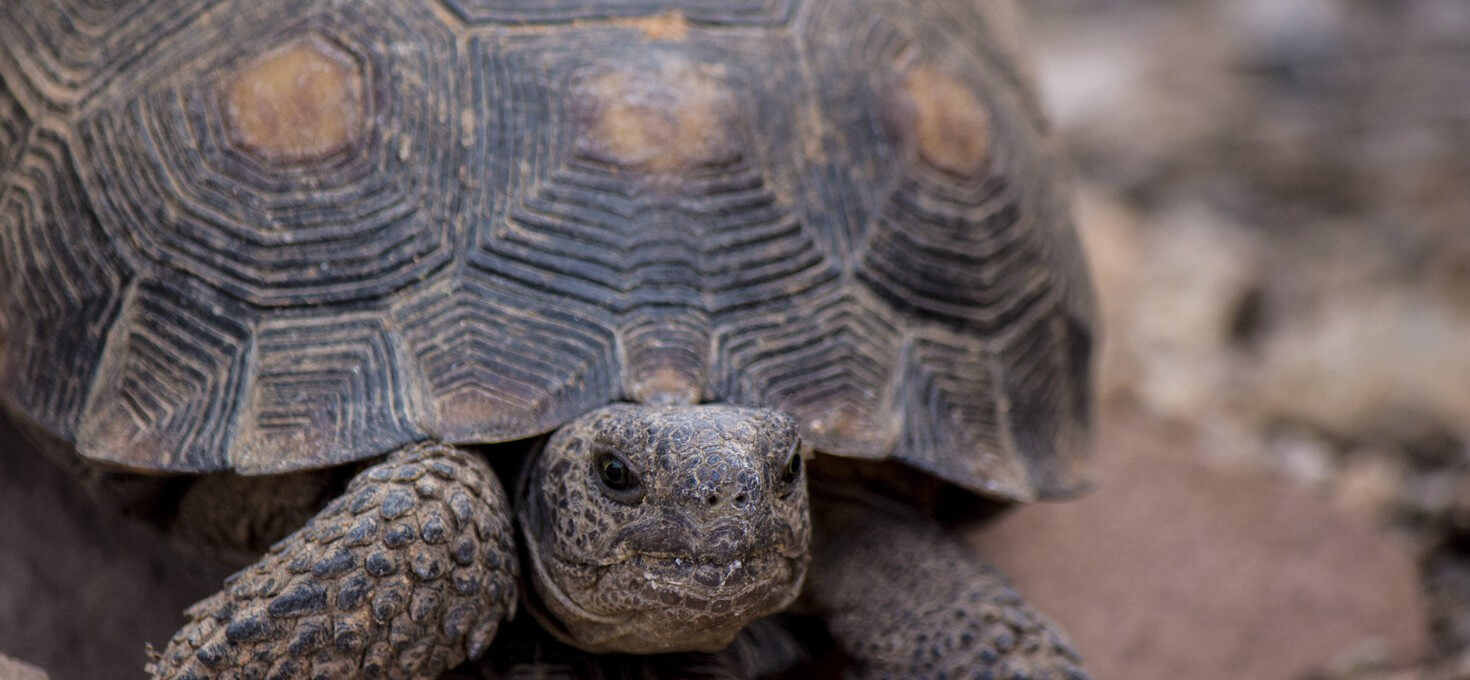
Saguaro holds some species seen in few other places in the United States, such as vermilion flycatchers and whiskered screech-owls. Gambel’s quail and Gila woodpeckers are common in the desert, and the woodpeckers carve nest cavities into the sides of saguaros, while northern goshawks, yellow-eyed juncos and Mexican jays live in the higher mountains. Reptiles here include desert tortoises, Sonoran coralsnakes and six species of rattlesnakes, and the best time to see them is during and after the summer monsoon rains of July and August. Those same storms bring Couch’s spadefoots and other toads up from underground, and on July nights hundreds of toads can be found breeding in temporary pools. Keep reading to see featured photos of Saguaro’s wildlife and to learn more about wildlife photography.
Featured Saguaro National Park Wildlife Photographs
Have a National Park Wildlife photograph you’d like featured? Contact us today to learn more!
Wildlife Photography Tips
Wildlife photography in the US National Parks offers a unique and enriching experience, as these protected areas are havens for diverse species and pristine natural landscapes. Capturing wildlife in such settings requires preparation and respect for both the environment and its inhabitants. Photographers should familiarize themselves with the specific animals and ecosystems of the park they are visiting, as each park hosts different species and behaviors. Early mornings and late afternoons, known as the golden hours, provide the best light and increased wildlife activity. Different seasons also offer different wildlife viewing opportunities. Patience and stillness are key, as the best moments often come to those who wait quietly.
If wildlife does present itself, always make sure to maintain a safe distance. Using a telephoto lens allows for close-up shots without intruding on the animals’ space. If you already own or want to own a professional grade mirrored camera like the Canon EOS 5D Mark IV Full Frame Digital SLR, we recommend using a Canon EF 100-400mm f/4.5-5.6L IS II USM Lens zoom lens for wildlife photography. If you have or are interested in a newer mirrorless model like the Canon EOS R5 Full-Frame Mirrorless Camera, we recommend using a Canon RF100-400mm F5.6-8 IS USM Black for long distance shots.
Not quite ready to invest in traditional professional-grade camera equipment but want to enhance the quality of your cell phone photographs? Consider using a Moment Tele 58mm Mobile Lens II for improved reach, and use a Moment camera case with a lens mount to attach it to your phone. Since cell phones generally cannot provide the same reach as a dedicated telephoto camera lens, never compensate by moving dangerously close to wildlife. As with any visit to a national park, it’s important to follow park regulations, practice “Leave No Trace” principles, and prioritize safety while photographing wildlife.
Want to take your wildlife photos further? Featured photographer Vella Torvik shares her field-tested advice on gear, camera settings, light, composition and safely approaching wildlife in our Wildlife Photography 101: Insider Tips From the Field masterclass.
Saguaro Wildlife Education and Resources
Want to learn more about Saguaro National Park and the wildlife that inhabits it? Check out these guides & books:
- Peterson Field Guide To Mammals Of North America: Fourth Edition (Peterson Field Guides)
- Peterson Field Guide To Birds Of Western North America, Fifth Edition (Peterson Field Guides)
- Bird Songs: 250 North American Birds in Song
- Peterson Field Guide To Western Reptiles & Amphibians, Fourth Edition (Peterson Field Guides)
- Animal Tracks: A Folding Pocket Guide to the Tracks & Signs of Familiar North American Species (Wildlife and Nature Identification)
Please note, by making purchases through our affiliate links, you are supporting our mission to celebrate and showcase our National Parks and the photographers who frequent them. As an Amazon Associate, National Park Photographer earns from qualifying purchases at no cost to you. We appreciate your support.
Saguaro National Park Species List
The wildlife at Saguaro National Park is beautiful and diverse. There are a variety of mammals, birds, reptiles, amphibians and fish to view. Check out all the incredible species this park has to offer! Click on the links below to see the different animal species that inhabit Saguaro National Park:
Species Spotlight
Photo posts of animals you’ll find in Saguaro.
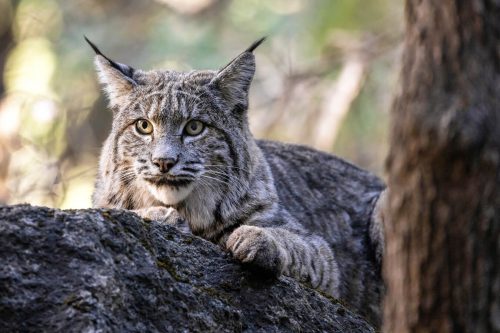
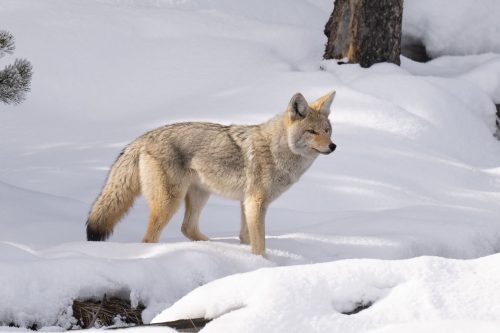
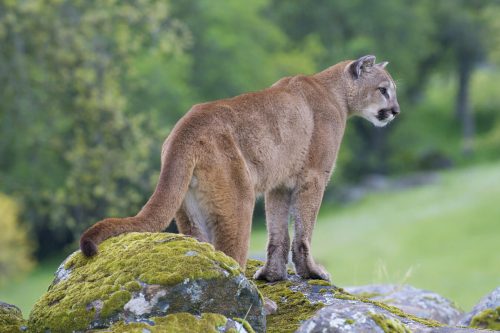
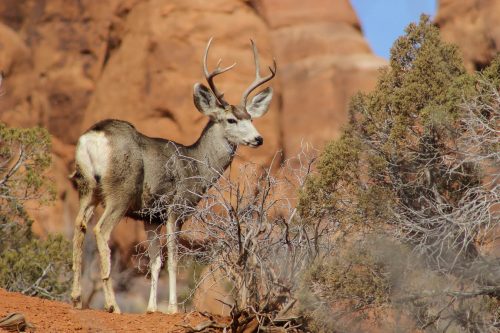
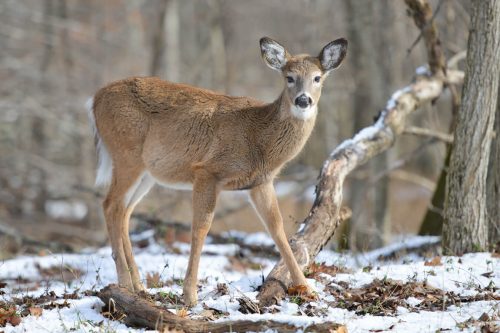
Saguaro National Park Mammals
67 species
- Abert’s Squirrel(Sciurus aberti)
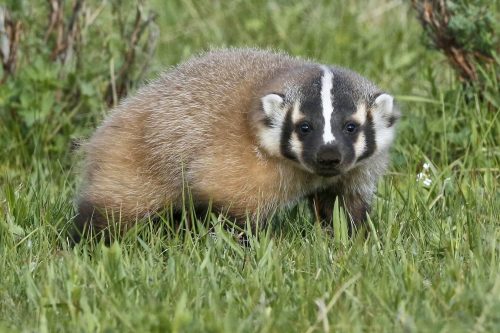
- American Badger Photo post(Taxidea taxus)
- American Beaver(Castor canadensis)
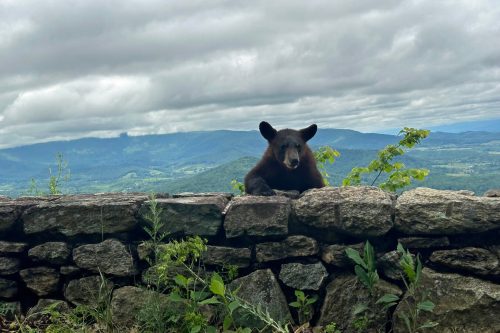
- American Black Bear Photo post(Ursus americanus)
- Antelope Jackrabbit(Lepus alleni)
- Arizona Cotton Rat(Sigmodon arizonae)
- Arizona Gray Squirrel(Sciurus arizonensis)
- Arizona Pocket Mouse(Perognathus amplus)
- Bailey’s Pocket Mouse(Chaetodipus baileyi)
- Big Brown Bat(Eptesicus fuscus)
- Black-tailed Jackrabbit(Lepus californicus)
- Bobcat Photo post(Lynx rufus)
- Botta’s Pocket Gopher(Thomomys bottae)
- Brazilian Free-tailed Bat(Tadarida brasiliensis)
- Brush Mouse(Peromyscus boylii)
- Cactus Mouse(Peromyscus eremicus)
- California Leaf-nosed Bat(Macrotus californicus)
- California Myotis(Myotis californicus)
- Cave Myotis(Myotis velifer)
- Cliff Chipmunk(Tamias dorsalis)
- Collared Peccary (Javelina)(Pecari tajacu)
- Coyote Photo post(Canis latrans)
- Deer Mouse(Peromyscus maniculatus)
- Desert Cottontail(Sylvilagus audubonii)
- Desert Shrew(Notiosorex crawfordi)
- Domestic Cat(Felis silvestris)
- Domestic Cattle(Bos taurus)
- Feral Dog(Canis familiaris)
- Fringed Myotis(Myotis thysanodes)
- Fulvous Harvest Mouse(Reithrodontomys fulvescens)
- Gray Fox(Urocyon cinereoargenteus)
- Harris’s Antelope Squirrel(Ammospermophilus harrisii)
- Hoary Bat(Lasiurus cinereus)
- Hooded Skunk(Mephitis macroura)
- Kit Fox(Vulpes macrotis)
- Lesser Long-nosed Bat(Leptonycteris yerbabuenae)
- Long-legged Myotis(Myotis volans)
- Merriam’s Kangaroo Rat(Dipodomys merriami)
- Mexican Long-tongued Bat(Choeronycteris mexicana)
- Mexican Woodrat(Neotoma mexicana)
- Mountain Lion Photo post(Puma concolor)
- Mule Deer Photo post(Odocoileus hemionus)
- Pallid Bat(Antrozous pallidus)
- Pocketed Free-tailed Bat(Nyctinomops femorosaccus)
- Raccoon(Procyon lotor)
- Ringtail(Bassariscus astutus)
- Rock Pocket Mouse(Chaetodipus intermedius)
- Rock Squirrel(Spermophilus variegatus)
- Round-tailed Ground Squirrel(Spermophilus tereticaudus)
- Silver-haired Bat(Lasionycteris noctivagans)
- Sonoran Desert Pocket Mouse(Chaetodipus penicillatus)
- Southern Grasshopper Mouse(Onychomys torridus)
- Southwestern Myotis(Myotis auriculus)
- Spotted Skunk(Spilogale putorius)
- Striped Skunk(Mephitis mephitis)
- Townsend’s Big-eared Bat(Plecotus townsendii)
- Western Harvest Mouse(Reithrodontomys megalotis)
- Western Pipistrelle(Pipistrellus hesperus)
- Western Red Bat(Lasiurus blossevillii)
- Western Small-footed Myotis(Myotis leibii)
- White-backed Hog-nosed Skunk(Conepatus mesoleucus)
- White-footed Mouse(Peromyscus leucopus)
- White-nosed Coati(Nasua narica)
- White-tailed Deer Photo post(Odocoileus virginianus)
- White-throated Woodrat(Neotoma albigula)
- Yellow-nosed Cotton Rat(Sigmodon ochrognathus)
- Yuma Myotis(Myotis yumanensis)
No mammals match.
Saguaro National Park Birds
209 species
- Abert’s Towhee(Pipilo aberti)
- Acorn Woodpecker(Melanerpes formicivorus)
- American Kestrel(Falco sparverius)
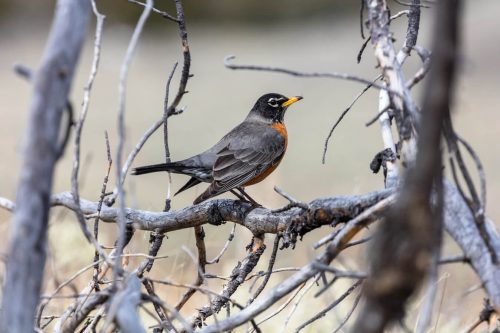
- American Robin Photo post(Turdus migratorius)
- Anna’s Hummingbird(Calypte anna)
- Arizona Woodpecker(Picoides arizonae)
- Ash-throated Flycatcher(Myiarchus cinerascens)
- Band-tailed Pigeon(Patagioenas fasciata)
- Barn Owl(Tyto alba)
- Barn Swallow(Hirundo rustica)
- Bell’s Vireo(Vireo bellii)
- Belted Kingfisher(Megaceryle alcyon)
- Bendire’s Thrasher(Toxostoma bendirei)
- Bewick’s Wren(Thryomanes bewickii)
- Black Phoebe(Sayornis nigricans)
- Black Vulture(Coragyps atratus)
- Black-chinned Hummingbird(Archilochus alexandri)
- Black-chinned Sparrow(Spizella atrogularis)
- Black-headed Grosbeak(Pheucticus melanocephalus)
- Black-tailed Gnatcatcher(Polioptila melanura)
- Black-throated Gray Warbler(Dendroica nigrescens)
- Black-throated Sparrow(Amphispiza bilineata)
- Blue Grosbeak(Passerina caerulea)
- Blue-gray Gnatcatcher(Polioptila caerulea)
- Brewer’s Blackbird(Euphagus cyanocephalus)
- Brewer’s Sparrow(Spizella breweri)
- Bridled Titmouse(Baeolophus wollweberi)
- Broad-billed Hummingbird(Cynanthus latirostris)
- Broad-tailed Hummingbird(Selasphorus platycercus)
- Bronzed Cowbird(Molothrus aeneus)
- Brown Creeper(Certhia americana)
- Brown-crested Flycatcher(Myiarchus tyrannulus)
- Brown-headed Cowbird(Molothrus ater)
- Buff-breasted Flycatcher(Empidonax fulvifrons)
- Bullock’s Oriole(Icterus bullockii)
- Bushtit(Psaltriparus minimus)
- Cactus Wren(Campylorhynchus brunneicapillus)
- Calliope Hummingbird(Stellula calliope)
- Canyon Towhee(Pipilo fuscus)
- Canyon Wren(Catherpes mexicanus)
- Cassin’s Finch(Carpodacus cassinii)
- Cassin’s Kingbird(Tyrannus vociferans)
- Cassin’s Sparrow(Aimophila cassinii)
- Cassin’s Vireo(Vireo cassinii)
- Cedar Waxwing(Bombycilla cedrorum)
- Chipping Sparrow(Spizella passerina)
- Clark’s Nutcracker(Nucifraga columbiana)
- Cliff Swallow(Petrochelidon pyrrhonota)
- Common Black Hawk(Buteogallus anthracinus)
- Common Ground Dove(Columbina passerina)
- Common Nighthawk(Chordeiles minor)
- Common Poorwill(Phalaenoptilus nuttallii)
- Common Raven(Corvus corax)
- Cooper’s Hawk(Accipiter cooperii)
- Cordilleran Flycatcher(Empidonax occidentalis)
- Costa’s Hummingbird(Calypte costae)
- Crested Caracara(Caracara cheriway)
- Crissal Thrasher(Toxostoma crissale)
- Curve-billed Thrasher(Toxostoma curvirostre)
- Dark-eyed Junco(Junco hyemalis)
- Dusky Flycatcher(Empidonax oberholseri)
- Dusky-capped Flycatcher(Myiarchus tuberculifer)
- Eastern Meadowlark(Sturnella magna)
- Elegant Trogon(Trogon elegans)
- Elf Owl(Micrathene whitneyi)
- European Starling(Sturnus vulgaris)
- Evening Grosbeak(Coccothraustes vespertinus)
- Flammulated Owl(Otus flammeolus)
- Fox Sparrow(Passerella iliaca)
- Gambel’s Quail(Callipepla gambelii)
- Gila Woodpecker(Melanerpes uropygialis)
- Gilded Flicker(Colaptes chrysoides)
- Golden Eagle(Aquila chrysaetos)
- Golden-crowned Kinglet(Regulus satrapa)
- Grace’s Warbler(Dendroica graciae)
- Gray Flycatcher(Empidonax wrightii)
- Gray Hawk(Buteo nitidus)
- Gray Vireo(Vireo vicinior)
- Great Blue Heron(Ardea herodias)
- Great Horned Owl(Bubo virginianus)
- Great-tailed Grackle(Quiscalus mexicanus)
- Greater Pewee(Contopus pertinax)
- Greater Roadrunner(Geococcyx californianus)
- Green-tailed Towhee(Pipilo chlorurus)
- Hairy Woodpecker(Picoides villosus)
- Hammond’s Flycatcher(Empidonax hammondii)
- Harris’s Hawk(Parabuteo unicinctus)
- Hepatic Tanager(Piranga flava)
- Hermit Thrush(Catharus guttatus)
- Hermit Warbler(Dendroica occidentalis)
- Hooded Merganser(Lophodytes cucullatus)
- Hooded Oriole(Icterus cucullatus)
- Horned Lark(Eremophila alpestris)
- House Finch(Carpodacus mexicanus)
- House Sparrow(Passer domesticus)
- House Wren(Troglodytes aedon)
- Hutton’s Vireo(Vireo huttoni)
- Inca Dove(Columbina inca)
- Indigo Bunting(Passerina cyanea)
- Juniper Titmouse(Baeolophus ridgwayi)
- Killdeer(Charadrius vociferus)
- Ladder-backed Woodpecker(Picoides scalaris)
- Lark Bunting(Calamospiza melanocorys)
- Lark Sparrow(Chondestes grammacus)
- Lawrence’s Goldfinch(Carduelis lawrencei)
- Lazuli Bunting(Passerina amoena)
- Lesser Goldfinch(Carduelis psaltria)
- Lesser Nighthawk(Chordeiles acutipennis)
- Lewis’s Woodpecker(Melanerpes lewis)
- Lincoln’s Sparrow(Melospiza lincolnii)
- Loggerhead Shrike(Lanius ludovicianus)
- Long-eared Owl(Asio otus)
- Lucy’s Warbler(Vermivora luciae)
- MacGillivray’s Warbler(Oporornis tolmiei)
- Mallard(Anas platyrhynchos)
- Merlin(Falco columbarius)
- Mexican Jay(Aphelocoma ultramarina)
- Mexican Whip-poor-will(Caprimulgus vociferus)
- Montezuma Quail(Cyrtonyx montezumae)
- Mountain Bluebird(Sialia currucoides)
- Mountain Chickadee(Poecile gambeli)
- Mourning Dove(Zenaida macroura)
- Nashville Warbler(Vermivora ruficapilla)
- Northern Beardless-Tyrannulet(Camptostoma imberbe)
- Northern Cardinal(Cardinalis cardinalis)
- Northern Flicker(Colaptes auratus)
- Northern Goshawk(Accipiter gentilis)
- Northern Harrier(Circus cyaneus)
- Northern Mockingbird(Mimus polyglottos)
- Northern Parula(Parula americana)
- Northern Pygmy-Owl(Glaucidium gnoma)
- Northern Rough-winged Swallow(Stelgidopteryx serripennis)
- Northern Saw-whet Owl(Aegolius acadicus)
- Olive Warbler(Peucedramus taeniatus)
- Olive-sided Flycatcher(Contopus cooperi)
- Orange-crowned Warbler(Vermivora celata)
- Osprey(Pandion haliaetus)
- Pacific-slope Flycatcher(Empidonax difficilis)
- Painted Redstart(Myioborus pictus)
- Peregrine Falcon(Falco peregrinus)
- Phainopepla(Phainopepla nitens)
- Pine Siskin(Carduelis pinus)
- Pinyon Jay(Gymnorhinus cyanocephalus)
- Plumbeous Vireo(Vireo plumbeus)
- Prairie Falcon(Falco mexicanus)
- Purple Finch(Carpodacus purpureus)
- Purple Martin(Progne subis)
- Pygmy Nuthatch(Sitta pygmaea)
- Pyrrhuloxia(Cardinalis sinuatus)
- Red Crossbill(Loxia curvirostra)
- Red-breasted Nuthatch(Sitta canadensis)
- Red-faced Warbler(Cardellina rubrifrons)
- Red-naped Sapsucker(Sphyrapicus nuchalis)
- Red-tailed Hawk(Buteo jamaicensis)
- Red-winged Blackbird(Agelaius phoeniceus)
- Rivoli’s Hummingbird(Eugenes fulgens)
- Rock Pigeon(Columba livia)
- Rock Wren(Salpinctes obsoletus)
- Ruby-crowned Kinglet(Regulus calendula)
- Rufous Hummingbird(Selasphorus rufus)
- Rufous-crowned Sparrow(Aimophila ruficeps)
- Rufous-winged Sparrow(Aimophila carpalis)
- Sage Thrasher(Oreoscoptes montanus)
- Say’s Phoebe(Sayornis saya)
- Scaled Quail(Callipepla squamata)
- Scott’s Oriole(Icterus parisorum)
- Sharp-shinned Hawk(Accipiter striatus)
- Song Sparrow(Melospiza melodia)
- Spotted Owl(Strix occidentalis)
- Spotted Sandpiper(Actitis macularius)
- Spotted Towhee(Pipilo maculatus)
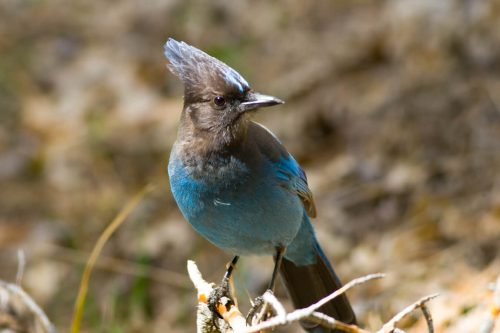
- Steller’s Jay Photo post(Cyanocitta stelleri)
- Sulphur-bellied Flycatcher(Myiodynastes luteiventris)
- Summer Tanager(Piranga rubra)
- Swainson’s Hawk(Buteo swainsoni)
- Townsend’s Solitaire(Myadestes townsendi)
- Townsend’s Warbler(Dendroica townsendi)
- Tree Swallow(Tachycineta bicolor)
- Turkey Vulture(Cathartes aura)
- Varied Bunting(Passerina versicolor)
- Vaux’s Swift(Chaetura vauxi)
- Verdin(Auriparus flaviceps)
- Vermilion Flycatcher(Pyrocephalus rubinus)
- Vesper Sparrow(Pooecetes gramineus)
- Violet-green Swallow(Tachycineta thalassina)
- Virginia’s Warbler(Vermivora virginiae)
- Warbling Vireo(Vireo gilvus)
- Western Bluebird(Sialia mexicana)
- Western Kingbird(Tyrannus verticalis)
- Western Meadowlark(Sturnella neglecta)
- Western Screech-Owl(Megascops kennicottii)
- Western Tanager(Piranga ludoviciana)
- Western Wood-Pewee(Contopus sordidulus)
- Whiskered Screech-Owl(Megascops trichopsis)
- White-breasted Nuthatch(Sitta carolinensis)
- White-crowned Sparrow(Zonotrichia leucophrys)
- White-throated Swift(Aeronautes saxatalis)
- White-winged Dove(Zenaida asiatica)
- Wild Turkey(Meleagris gallopavo)
- Williamson’s Sapsucker(Sphyrapicus thyroideus)
- Wilson’s Warbler(Wilsonia pusilla)
- Woodhouse’s Scrub-Jay(Aphelocoma californica)
- Yellow Warbler(Dendroica petechia)
- Yellow-billed Cuckoo(Coccyzus americanus)
- Yellow-breasted Chat(Icteria virens)
- Yellow-eyed Junco(Junco phaeonotus)
- Yellow-headed Blackbird(Xanthocephalus xanthocephalus)
- Yellow-rumped Warbler(Dendroica coronata)
- Zone-tailed Hawk(Buteo albonotatus)
No birds match.
Saguaro National Park Reptiles
51 species
- Arizona Alligator Lizard(Elgaria kingii)
- Big Bend Patchnose Snake(Salvadora deserticola)
- Black-necked Gartersnake(Thamnophis cyrtopsis)
- Black-tailed Rattlesnake(Crotalus molossus)
- Canyon Spotted Whiptail(Cnemidophorus burti)
- Clark’s Spiny Lizard(Sceloporus clarkii)
- Coachwhip(Masticophis flagellum)
- Common Kingsnake(Lampropeltis getula)
- Desert Iguana(Dipsosaurus dorsalis)
- Desert Spiny Lizard(Sceloporus magister)
- Desert Tortoise(Gopherus agassizii)
- Eastern Collared Lizard(Crotaphytus collaris)
- Gila Monster(Heloderma suspectum)
- Gila Spotted Whiptail(Cnemidophorus flagellicaudus)
- Glossy Snake(Arizona elegans)
- Gopher Snake(Pituophis catenifer)
- Great Plains Skink(Eumeces obsoletus)
- Greater Earless Lizard(Cophosaurus texanus)
- Greater Short-horned Lizard(Phrynosoma hernandesi)
- Groundsnake(Sonora semiannulata)
- Lesser Earless Lizard(Holbrookia maculata)
- Long-nosed Leopard Lizard(Gambelia wislizenii)
- Long-nosed Snake(Rhinocheilus lecontei)
- Maricopa Leafnose Snake(Phyllorhynchus browni)
- Mohave Rattlesnake(Crotalus scutulatus)
- Mountain Patch-nosed Snake(Salvadora grahamiae)
- Night Snake(Hypsiglena torquata)
- Ornate Box Turtle(Terrapene ornata)
- Ornate Tree Lizard(Urosaurus ornatus)
- Plateau Lizard(Sceloporus tristichus)
- Prairie Rattlesnake(Crotalus viridis)
- Regal Horned Lizard(Phrynosoma solare)
- Ring-necked Snake(Diadophis punctatus)
- Side-blotched Lizard(Uta stansburiana)
- Sidewinder(Crotalus cerastes)
- Smith’s Black-headed Snake(Tantilla hobartsmithi)
- Sonora Mud Turtle(Kinosternon sonoriense)
- Sonoran Coralsnake(Micruroides euryxanthus)
- Sonoran Lyresnake(Trimorphodon biscutatus)
- Sonoran Mountain Kingsnake(Lampropeltis pyromelana)
- Sonoran Spotted Whiptail(Cnemidophorus sonorae)
- Sonoran Whipsnake(Masticophis bilineatus)
- Tiger Rattlesnake(Crotalus tigris)
- Tiger Whiptail(Cnemidophorus tigris)
- Variable Sandsnake(Chilomeniscus stramineus)
- Western Banded Gecko(Coleonyx variegatus)
- Western Diamond-backed Rattlesnake(Crotalus atrox)
- Western Patch-nosed Snake(Salvadora hexalepis)
- Western Rattlesnake(Crotalus oreganus)
- Western Threadsnake(Leptotyphlops humilis)
- Zebra-tailed Lizard(Callisaurus draconoides)
No reptiles match.
Saguaro National Park Amphibians
8 species
- American Bullfrog(Rana catesbeiana)
- Canyon Treefrog(Hyla arenicolor)
- Couch’s Spadefoot(Scaphiopus couchii)
- Great Plains Toad(Bufo cognatus)
- Lowland Leopard Frog(Rana yavapaiensis)
- Mexican Spadefoot(Spea multiplicata)
- Red-spotted Toad(Bufo punctatus)
- Sonoran Desert Toad(Bufo alvarius)
No amphibians match.
Saguaro National Park Fish
0 species
NPSpecies currently lists no fish as present in this park.
Note: The wildlife species included in the lists above have been confirmed with the National Park Service to be present in Saguaro National Park. Other species may exist in the park that are currently under review or not yet known.
Do you want to be featured on National Park Photographer?
Why wait! Contact us today at nationalparkphoto@gmail.com for more information!