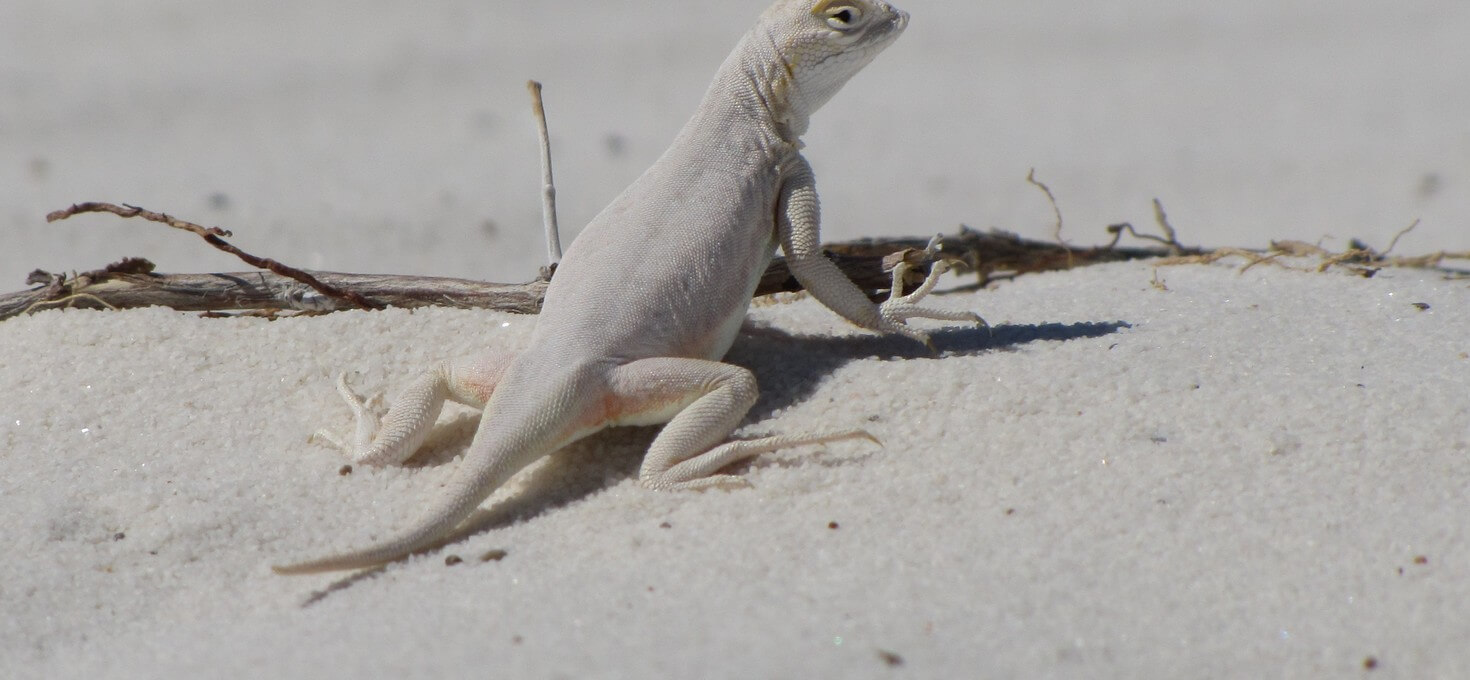
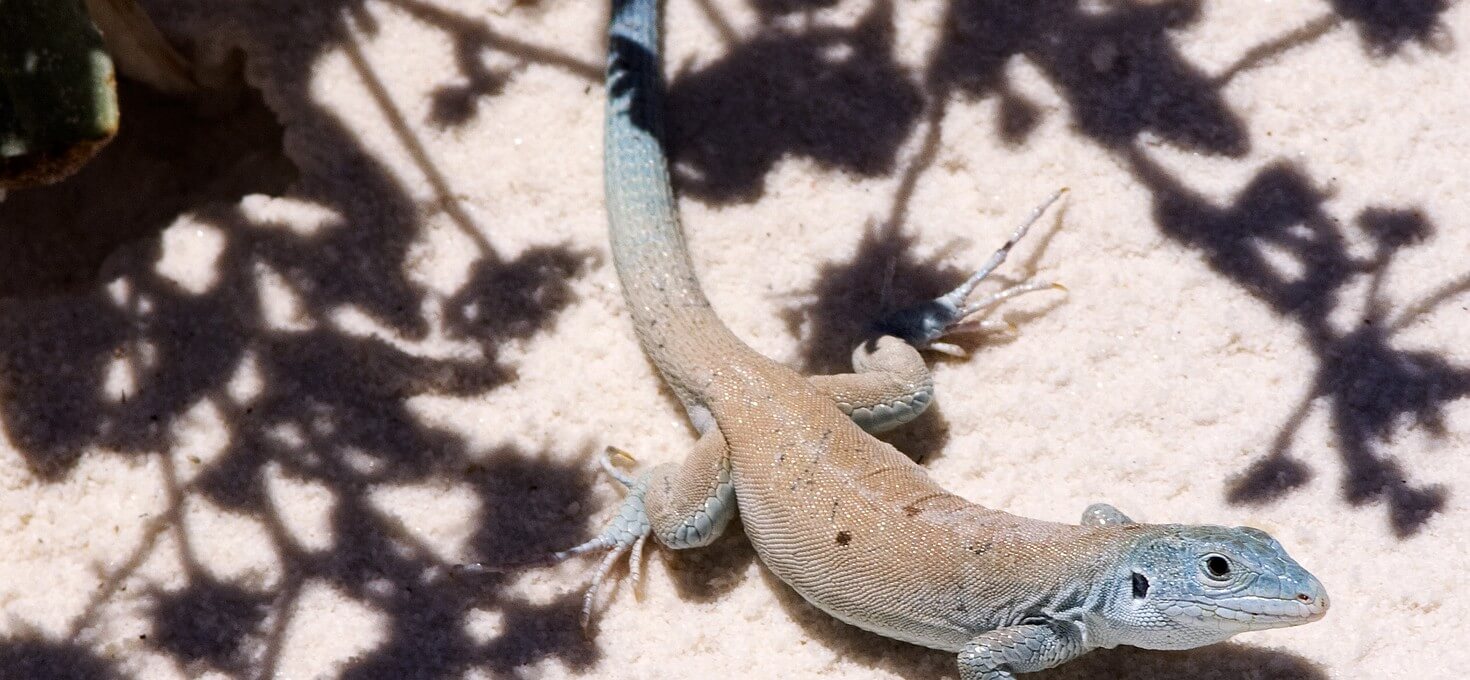
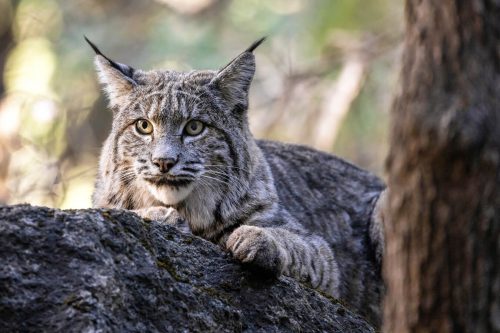
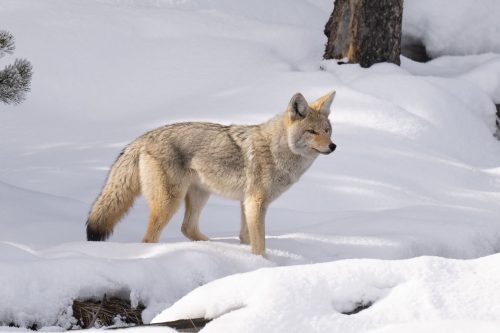
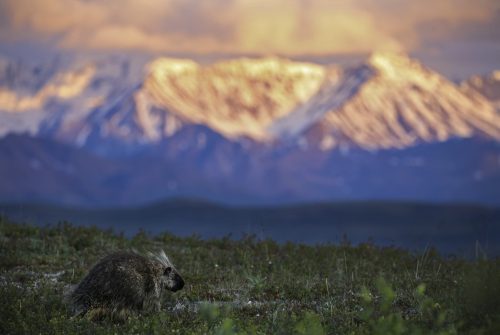
The gleaming gypsum dunes of White Sands National Park look empty at midday, but more than 800 animal species live here, and many of them come out only at night. Mammals are rarely seen, though their tracks cross the sand every morning. The kit fox, about the size of a Chihuahua and weighing roughly five pounds, is the largest animal that lives in the dunefield, and fur between its toes helps it grip the loose sand. American badgers, bobcats, coyotes and desert cottontails stay closer to the vegetated edges of the dunes, and North American porcupines live in the brushier areas, though they are seen less often than a few decades ago. Over roughly 7,000 years, several animals living on the white sand have become paler than their relatives just a few miles away, including the Apache pocket mouse and the bleached earless lizard. The little white whiptail is another pale lizard of the dunes.
More than 220 bird species have been recorded at White Sands. Few spend the hot days in the heart of the dunefield, but many are easy to see in the desert scrub around the visitor center and entrance station, where greater roadrunners hunt and barn swallows return each spring to nest at the visitor center. Cactus wrens live in both the dunes and the scrub year-round. After summer monsoon rains, spadefoots emerge from their burrows to breed quickly in temporary pools. The park’s only fish is the White Sands pupfish, a small fish found nowhere else in the world and a survivor of the ancient lake that once filled the Tularosa Basin. One of its four populations lives in Lost River, which ends just inside the park’s northeast boundary. Keep reading to see featured photos of White Sands’ wildlife and to learn more about wildlife photography.
Featured White Sands National Park Wildlife Photographs
Have a National Park Wildlife photograph you’d like featured? Contact us today to learn more!
Wildlife Photography Tips
Wildlife photography in the US National Parks offers a unique and enriching experience, as these protected areas are havens for diverse species and pristine natural landscapes. Capturing wildlife in such settings requires preparation and respect for both the environment and its inhabitants. Photographers should familiarize themselves with the specific animals and ecosystems of the park they are visiting, as each park hosts different species and behaviors. Early mornings and late afternoons, known as the golden hours, provide the best light and increased wildlife activity. Different seasons also offer different wildlife viewing opportunities. Patience and stillness are key, as the best moments often come to those who wait quietly.
If wildlife does present itself, always make sure to maintain a safe distance. Using a telephoto lens allows for close-up shots without intruding on the animals’ space. If you already own or want to own a professional grade mirrored camera like the Canon EOS 5D Mark IV Full Frame Digital SLR, we recommend using a Canon EF 100-400mm f/4.5-5.6L IS II USM Lens zoom lens for wildlife photography. If you have or are interested in a newer mirrorless model like the Canon EOS R5 Full-Frame Mirrorless Camera, we recommend using a Canon RF100-400mm F5.6-8 IS USM Black for long distance shots.
Not quite ready to invest in traditional professional-grade camera equipment but want to enhance the quality of your cell phone photographs? Consider using a Moment Tele 58mm Mobile Lens II for improved reach, and use a Moment camera case with a lens mount to attach it to your phone. Since cell phones generally cannot provide the same reach as a dedicated telephoto camera lens, never compensate by moving dangerously close to wildlife. As with any visit to a national park, it’s important to follow park regulations, practice “Leave No Trace” principles, and prioritize safety while photographing wildlife.
Want to take your wildlife photos further? Featured photographer Vella Torvik shares her field-tested advice on gear, camera settings, light, composition and safely approaching wildlife in our Wildlife Photography 101: Insider Tips From the Field masterclass.
White Sands Wildlife Education and Resources
Want to learn more about White Sands National Park and the wildlife that inhabits it? Check out these guides & books:
- Peterson Field Guide To Mammals Of North America: Fourth Edition (Peterson Field Guides)
- Peterson Field Guide To Birds Of Western North America, Fifth Edition (Peterson Field Guides)
- Bird Songs: 250 North American Birds in Song
- Peterson Field Guide To Western Reptiles & Amphibians, Fourth Edition (Peterson Field Guides)
- Peterson Field Guide to Freshwater Fishes, Second Edition (Peterson Field Guides)
- Animal Tracks: A Folding Pocket Guide to the Tracks & Signs of Familiar North American Species (Wildlife and Nature Identification)
Please note, by making purchases through our affiliate links, you are supporting our mission to celebrate and showcase our National Parks and the photographers who frequent them. As an Amazon Associate, National Park Photographer earns from qualifying purchases at no cost to you. We appreciate your support.
White Sands National Park Species List
The wildlife at White Sands National Park is beautiful and diverse. There are a variety of mammals, birds, reptiles, amphibians and fish to view. Check out all the incredible species this park has to offer! Click on the links below to see the different animal species that inhabit White Sands National Park:
Species Spotlight
Photo posts of animals you’ll find in White Sands.
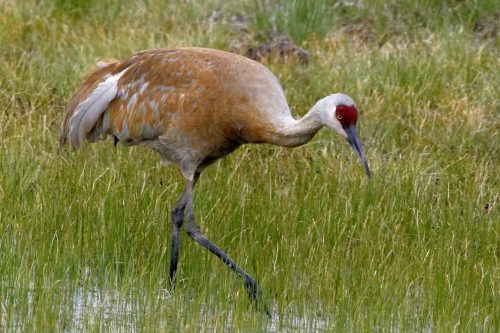
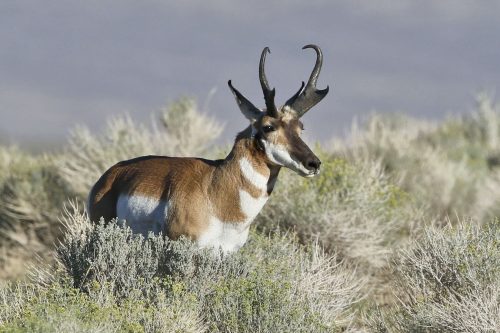
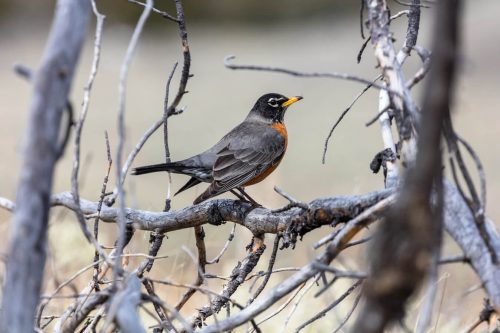
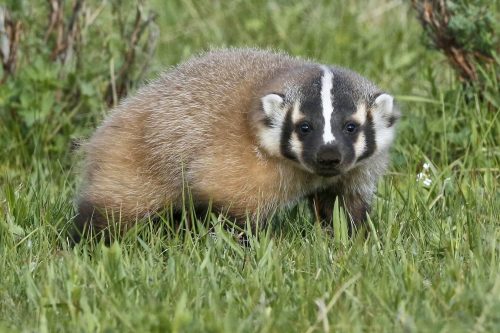
White Sands National Park Mammals
38 species
- American Badger Photo post(Taxidea taxus)
- Black-tailed Jackrabbit(Lepus californicus)
- Bobcat Photo post(Lynx rufus)
- Botta’s Pocket Gopher(Thomomys bottae)
- Brazilian Free-tailed Bat(Tadarida brasiliensis)
- Cactus Mouse(Peromyscus eremicus)
- Common Gray Fox(Urocyon cinereoargenteus)
- Coyote Photo post(Canis latrans)
- Crawford’s Desert Shrew(Notiosorex crawfordi)
- Deer Mouse(Peromyscus maniculatus)
- Desert Cottontail(Sylvilagus audubonii)
- Desert Pocket Gopher(Geomys arenarius)
- Eastern White-throated Woodrat(Neotoma leucodon)
- Gemsbok (Oryx)(Oryx gazella)
- Hispid Cotton Rat(Sigmodon hispidus)
- Kit Fox(Vulpes macrotis)
- Long-tailed Weasel(Mustela frenata)
- Mearns’s Grasshopper Mouse(Onychomys arenicola)
- Merriam’s Kangaroo Rat(Dipodomys merriami)
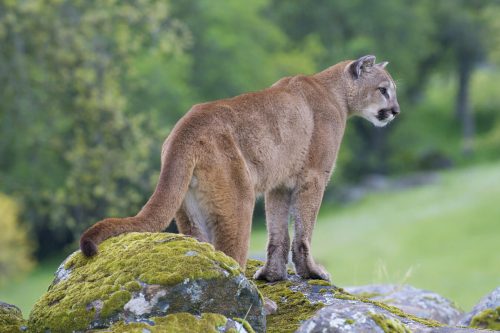
- Mountain Lion Photo post(Puma concolor)
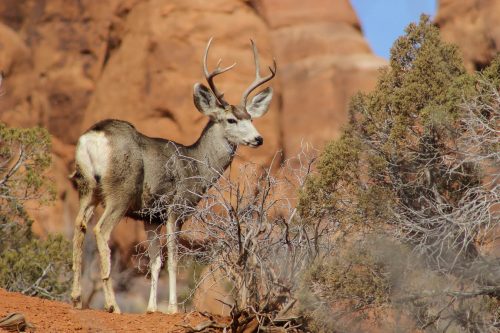
- Mule Deer Photo post(Odocoileus hemionus)
- North American Porcupine Photo post(Erethizon dorsatum)
- Northern Grasshopper Mouse(Onychomys leucogaster)
- Northern Raccoon(Procyon lotor)
- Ord’s Kangaroo Rat(Dipodomys ordii)
- Pallid Bat(Antrozous pallidus)
- Plains Pocket Mouse(Perognathus flavescens)
- Pronghorn Photo post(Antilocapra americana)
- Ringtail(Bassariscus astutus)
- Silky Pocket Mouse(Perognathus flavus)
- Sonoran Desert Pocket Mouse(Chaetodipus penicillatus)
- Southern Plains Woodrat(Neotoma micropus)
- Spotted Ground Squirrel(Spermophilus spilosoma)
- Striped Skunk(Mephitis mephitis)
- Western Harvest Mouse(Reithrodontomys megalotis)
- White-backed Hog-nosed Skunk(Conepatus leuconotus)
- White-footed Mouse(Peromyscus leucopus)
- Yellow-faced Pocket Gopher(Cratogeomys castanops)
No mammals match.
White Sands National Park Birds
151 species
- Acorn Woodpecker(Melanerpes formicivorus)
- American Avocet(Recurvirostra americana)
- American Goldfinch(Carduelis tristis)
- American Kestrel(Falco sparverius)
- American Pipit(Anthus rubescens)
- American Redstart(Setophaga ruticilla)
- American Robin Photo post(Turdus migratorius)
- Ash-throated Flycatcher(Myiarchus cinerascens)
- Barn Swallow(Hirundo rustica)
- Bewick’s Wren(Thryomanes bewickii)
- Black Phoebe(Sayornis nigricans)
- Black-and-white Warbler(Mniotilta varia)
- Black-headed Grosbeak(Pheucticus melanocephalus)
- Black-tailed Gnatcatcher(Polioptila melanura)
- Black-throated Blue Warbler(Dendroica caerulescens)
- Black-throated Sparrow(Amphispiza bilineata)
- Blue-gray Gnatcatcher(Polioptila caerulea)
- Brewer’s Blackbird(Euphagus cyanocephalus)
- Brewer’s Sparrow(Spizella breweri)
- Broad-tailed Hummingbird(Selasphorus platycercus)
- Bronzed Cowbird(Molothrus aeneus)
- Brown Creeper(Certhia americana)
- Brown Thrasher(Toxostoma rufum)
- Brown-headed Cowbird(Molothrus ater)
- Bullock’s Oriole(Icterus bullockii)
- Burrowing Owl(Athene cunicularia)
- Cactus Wren(Campylorhynchus brunneicapillus)
- Cassin’s Finch(Carpodacus cassinii)
- Cassin’s Kingbird(Tyrannus vociferans)
- Cattle Egret(Bubulcus ibis)
- Cedar Waxwing(Bombycilla cedrorum)
- Chestnut-collared Longspur(Calcarius ornatus)
- Chestnut-sided Warbler(Dendroica pensylvanica)
- Chihuahuan Raven(Corvus cryptoleucus)
- Chipping Sparrow(Spizella passerina)
- Clay-colored Sparrow(Spizella pallida)
- Common Grackle(Quiscalus quiscula)
- Common Merganser(Mergus merganser)
- Common Raven(Corvus corax)
- Common Yellowthroat(Geothlypis trichas)
- Cooper’s Hawk(Accipiter cooperii)
- Cordilleran Flycatcher(Empidonax occidentalis)
- Crissal Thrasher(Toxostoma crissale)
- Curve-billed Thrasher(Toxostoma curvirostre)
- Dark-eyed Junco(Junco hyemalis)
- Dickcissel(Spiza americana)
- Dusky Flycatcher(Empidonax oberholseri)
- Eurasian Collared-Dove(Streptopelia decaocto)
- European Starling(Sturnus vulgaris)
- Evening Grosbeak(Coccothraustes vespertinus)
- Franklin’s Gull(Larus pipixcan)
- Gambel’s Quail(Callipepla gambelii)
- Golden Eagle(Aquila chrysaetos)
- Gray Flycatcher(Empidonax wrightii)
- Gray-cheeked Thrush(Catharus minimus)
- Great Horned Owl(Bubo virginianus)
- Great-tailed Grackle(Quiscalus mexicanus)
- Greater Roadrunner(Geococcyx californianus)
- Green Heron(Butorides virescens)
- Green-tailed Towhee(Pipilo chlorurus)
- Harris’s Sparrow(Zonotrichia querula)
- Hepatic Tanager(Piranga flava)
- Hermit Thrush(Catharus guttatus)
- Hooded Oriole(Icterus cucullatus)
- Hooded Warbler(Wilsonia citrina)
- Horned Lark(Eremophila alpestris)
- House Finch(Carpodacus mexicanus)
- House Sparrow(Passer domesticus)
- House Wren(Troglodytes aedon)
- Inca Dove(Columbina inca)
- Indigo Bunting(Passerina cyanea)
- Kentucky Warbler(Oporornis formosus)
- Killdeer(Charadrius vociferus)
- Ladder-backed Woodpecker(Picoides scalaris)
- Lark Bunting(Calamospiza melanocorys)
- Lark Sparrow(Chondestes grammacus)
- Lazuli Bunting(Passerina amoena)
- Lesser Nighthawk(Chordeiles acutipennis)
- Lincoln’s Sparrow(Melospiza lincolnii)
- Loggerhead Shrike(Lanius ludovicianus)
- Long-billed Dowitcher(Limnodromus scolopaceus)
- Lucy’s Warbler(Vermivora luciae)
- MacGillivray’s Warbler(Oporornis tolmiei)
- Marbled Godwit(Limosa fedoa)
- Mountain Bluebird(Sialia currucoides)
- Mountain Chickadee(Poecile gambeli)
- Mourning Dove(Zenaida macroura)
- Nashville Warbler(Vermivora ruficapilla)
- Northern Flicker (red-shafted)(Colaptes auratus)
- Northern Harrier(Circus cyaneus)
- Northern Mockingbird(Mimus polyglottos)
- Northern Parula(Parula americana)
- Northern Rough-winged Swallow(Stelgidopteryx serripennis)
- Northern Waterthrush(Seiurus noveboracensis)
- Orange-crowned Warbler(Vermivora celata)
- Orchard Oriole(Icterus spurius)
- Ovenbird(Seiurus aurocapilla)
- Phainopepla(Phainopepla nitens)
- Pine Siskin(Carduelis pinus)
- Prairie Falcon(Falco mexicanus)
- Pyrrhuloxia(Cardinalis sinuatus)
- Red-breasted Nuthatch(Sitta canadensis)
- Red-eyed Vireo(Vireo olivaceus)
- Red-naped Sapsucker(Sphyrapicus nuchalis)
- Red-tailed Hawk(Buteo jamaicensis)
- Red-winged Blackbird(Agelaius phoeniceus)
- Ring-billed Gull(Larus delawarensis)
- Rock Pigeon(Columba livia)
- Rock Wren(Salpinctes obsoletus)
- Rose-breasted Grosbeak(Pheucticus ludovicianus)
- Ruby-crowned Kinglet(Regulus calendula)
- Rufous Hummingbird(Selasphorus rufus)
- Sage Thrasher(Oreoscoptes montanus)
- Sagebrush Sparrow(Amphispiza belli)
- Sandhill Crane Photo post(Grus canadensis)
- Savannah Sparrow(Passerculus sandwichensis)
- Say’s Phoebe(Sayornis saya)
- Scaled Quail(Callipepla squamata)
- Scarlet Tanager(Piranga olivacea)
- Scott’s Oriole(Icterus parisorum)
- Sharp-shinned Hawk(Accipiter striatus)
- Snowy Egret(Egretta thula)
- Snowy Plover(Charadrius alexandrinus)
- Song Sparrow(Melospiza melodia)
- Sora(Porzana carolina)
- Spotted Towhee(Pipilo maculatus)
- Swainson’s Hawk(Buteo swainsoni)
- Swainson’s Thrush(Catharus ustulatus)
- Townsend’s Solitaire(Myadestes townsendi)
- Townsend’s Warbler(Dendroica townsendi)
- Turkey Vulture(Cathartes aura)
- Verdin(Auriparus flaviceps)
- Vesper Sparrow(Pooecetes gramineus)
- Violet-green Swallow(Tachycineta thalassina)
- Virginia’s Warbler(Vermivora virginiae)
- Warbling Vireo(Vireo gilvus)
- Western Bluebird(Sialia mexicana)
- Western Kingbird(Tyrannus verticalis)
- Western Sandpiper(Calidris mauri)
- Western Tanager(Piranga ludoviciana)
- Western Wood-Pewee(Contopus sordidulus)
- White-crowned Sparrow(Zonotrichia leucophrys)
- White-throated Sparrow(Zonotrichia albicollis)
- White-throated Swift(Aeronautes saxatalis)
- White-winged Dove(Zenaida asiatica)
- Wilson’s Warbler(Wilsonia pusilla)
- Worm-eating Warbler(Helmitheros vermivorum)
- Yellow Warbler(Dendroica petechia)
- Yellow-breasted Chat(Icteria virens)
- Yellow-headed Blackbird(Xanthocephalus xanthocephalus)
- Yellow-rumped Warbler (Audubon’s)(Dendroica coronata)
No birds match.
White Sands National Park Reptiles
28 species
- Bleached Earless Lizard(Holbrookia maculata)
- Chihuahuan Greater Earless Lizard(Cophosaurus texanus)
- Chihuahuan Hook-nosed Snake(Gyalopion canum)
- Common Side-blotched Lizard(Uta stansburiana)
- Desert Box Turtle(Terrapene ornata)
- Desert Kingsnake(Lampropeltis getula)
- Desert Massasauga(Sistrurus catenatus)
- Eastern Collared Lizard(Crotaphytus collaris)
- Little White Whiptail(Aspidoscelis gypsi)
- Long-nosed Leopard Lizard(Gambelia wislizenii)
- New Mexico Whiptail(Aspidoscelis neomexicana)
- Painted Desert Glossy Snake(Arizona elegans)
- Plains Black-headed Snake(Tantilla nigriceps)
- Plains Striped Whiptail(Aspidoscelis inornata)
- Prairie Rattlesnake(Crotalus viridis)
- Round-tailed Horned Lizard(Phrynosoma modestum)
- Sonoran Gophersnake(Pituophis catenifer)
- Southwestern Fence Lizard(Sceloporus cowlesi)
- Texas Horned Lizard(Phrynosoma cornutum)
- Texas Long-nosed Snake(Rhinocheilus lecontei)
- Texas Nightsnake(Hypsiglena torquata)
- Trans-Pecos Threadsnake(Leptotyphlops humilis)
- Twin-spotted Spiny Lizard(Sceloporus magister)
- Variable Groundsnake(Sonora semiannulata)
- Western Coachwhip(Masticophis flagellum)
- Western Diamond-backed Rattlesnake(Crotalus atrox)
- Western Hog-nosed Snake(Heterodon nasicus)
- Western Marbled Whiptail(Aspidoscelis marmorata)
No reptiles match.
White Sands National Park Amphibians
7 species
- Barred Tiger Salamander(Ambystoma tigrinum)
- Couch’s Spadefoot(Scaphiopus couchii)
- Great Plains Toad(Bufo cognatus)
- Mexican Spadefoot(Spea multiplicata)
- Plains Spadefoot(Spea bombifrons)
- Red-spotted Toad(Bufo punctatus)
- Western Green Toad(Bufo debilis)
No amphibians match.
White Sands National Park Fish
1 species
- White Sands Pupfish(Cyprinodon tularosa)
No fish match.
Note: The wildlife species included in the lists above have been confirmed with the National Park Service to be present in White Sands National Park. Other species may exist in the park that are currently under review or not yet known.
Do you want to be featured on National Park Photographer?
Why wait! Contact us today at nationalparkphoto@gmail.com for more information!