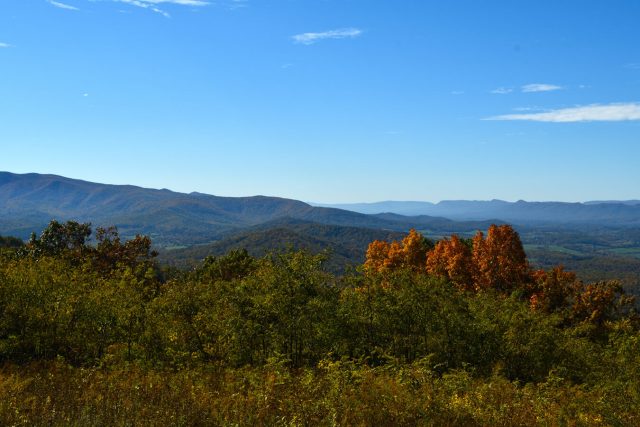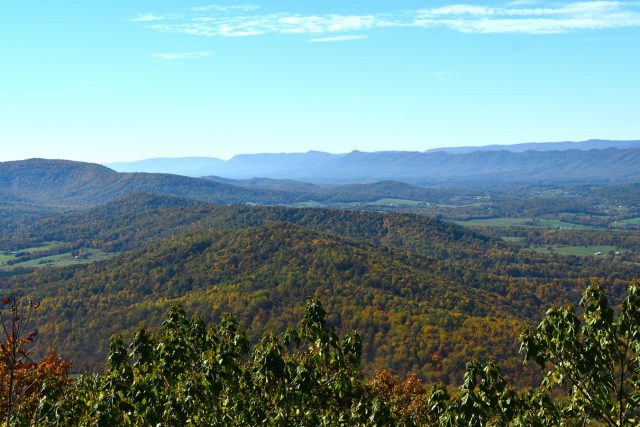
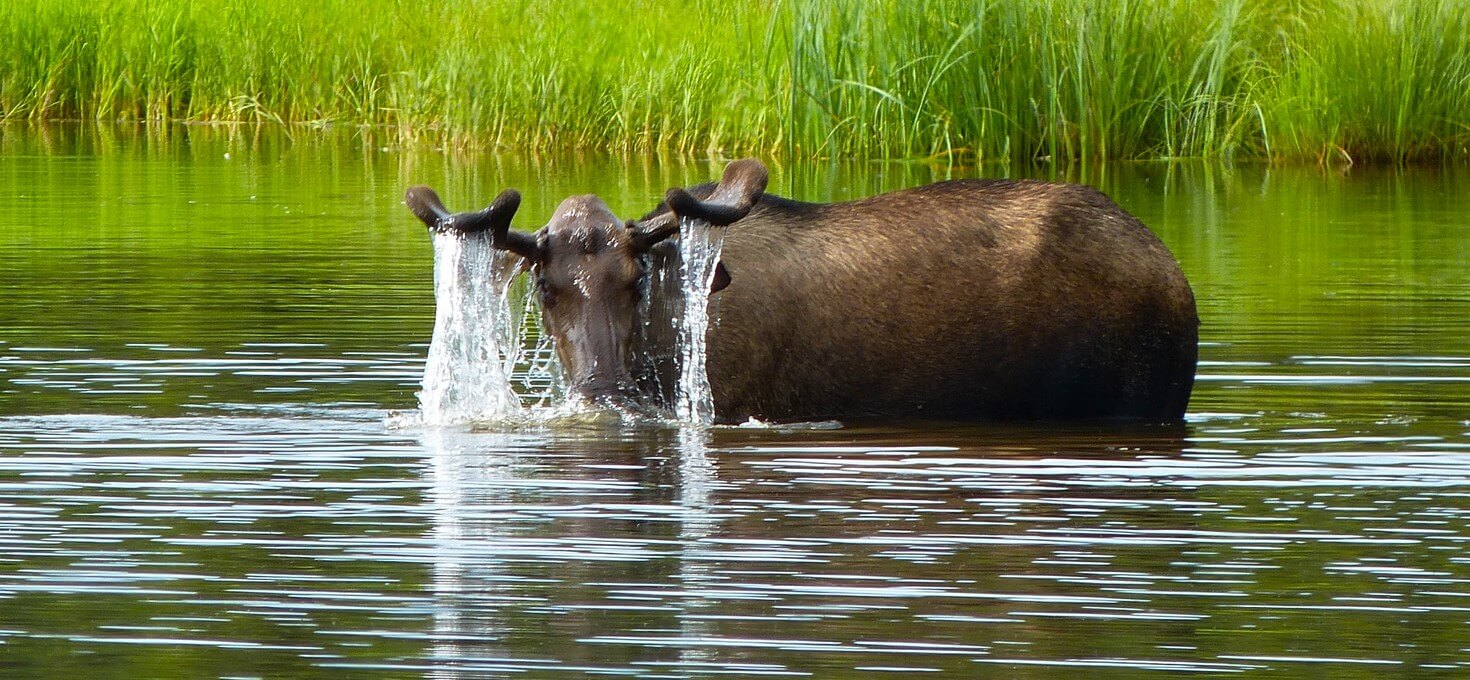
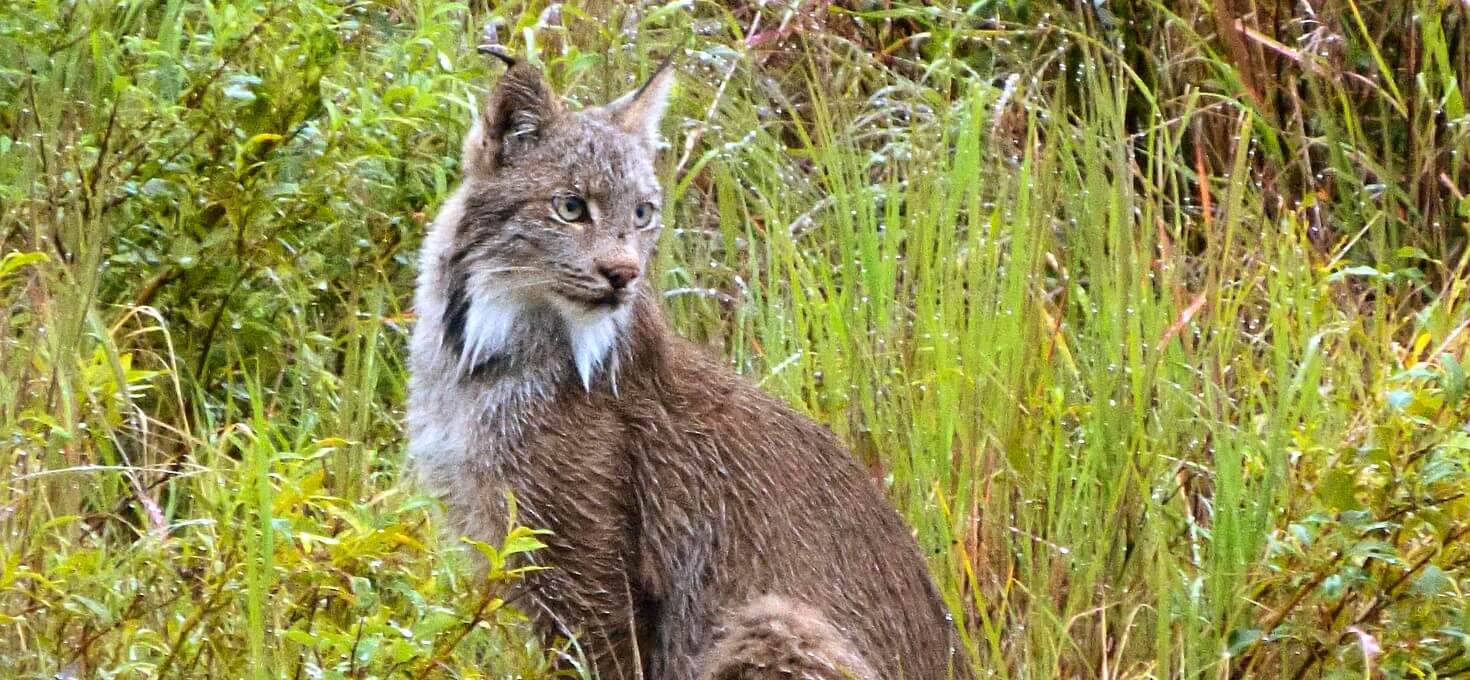
Lake Clark National Park and Preserve stretches from the shores of Cook Inlet across the Chigmit Mountains, where the Alaska and Aleutian ranges meet, to the tundra and boreal forest of the western preserve. Two active volcanoes, Mount Iliamna and Mount Redoubt, tower over the landscape, and four of Alaska’s five biotic communities are found in the park: coastal, lakes, rivers and wetlands, tundra and boreal forest. These intact ecosystems support a full complement of subarctic wildlife. NPS says about 37 species of land mammals are believed to live in the Lake Clark region, and five marine mammal species use haul-out sites or feeding areas along the coast. Brown bears live in every habitat in the park but are especially concentrated along the Cook Inlet coast, where they dig clams on the tidal flats, graze on salt marsh sedges and catch salmon in the rivers. Inland bears of the same species are often called grizzlies. Black bears are found throughout the park and preserve except at the highest elevations. Moose browse below timberline, especially in boggy areas, caribou roam the Bonanza Hills and the country around Turquoise, Twin and Snipe lakes, and Dall sheep live high on the western flank of the Chigmit Mountains. Gray wolves, Canada lynx, wolverines, red foxes and porcupines also live in the park, while harbor seals, sea otters, belugas and orcas use the coast.
About 187 species of birds have been documented in the park and preserve. Sea ducks, mostly white-winged and surf scoters, are the most abundant waterfowl on the coast, numbering more than 18,000 in mid-August, and harlequin ducks, long-tailed ducks and about 30 pairs of nesting trumpeter swans also live here. Seabirds nest in colonies along Cook Inlet, especially at Tuxedni and Chinitna Bays, including black-legged kittiwakes and smaller numbers of horned and tufted puffins. Each spring, 86,000 to 122,000 shorebirds, mostly western sandpipers and dunlins, stop to feed on the mud flats of those same bays. About 50 pairs of bald eagles and five to ten pairs of golden eagles nest in the park, along with ospreys and peregrine falcons. Salmon, rainbow trout and Arctic grayling are among the fish that spend part or all of their lives in the park’s waters. Sockeye salmon are a keystone species here. Each year an average of about 372,000 sockeye swim up the Newhalen River into the park to spawn, feeding bears and eagles and supporting the subsistence way of life of the Dena’ina people. The wood frog is the only amphibian on the park’s species list. Keep reading to see featured photos of Lake Clark’s wildlife and to learn more about wildlife photography.
Featured Lake Clark National Park and Preserve Wildlife Photographs
Have a National Park Wildlife photograph you’d like featured? Contact us today to learn more!
Wildlife Photography Tips
Wildlife photography in the US National Parks offers a unique and enriching experience, as these protected areas are havens for diverse species and pristine natural landscapes. Capturing wildlife in such settings requires preparation and respect for both the environment and its inhabitants. Photographers should familiarize themselves with the specific animals and ecosystems of the park they are visiting, as each park hosts different species and behaviors. Early mornings and late afternoons, known as the golden hours, provide the best light and increased wildlife activity. Different seasons also offer different wildlife viewing opportunities. Patience and stillness are key, as the best moments often come to those who wait quietly.
If wildlife does present itself, always make sure to maintain a safe distance. Using a telephoto lens allows for close-up shots without intruding on the animals’ space. If you already own or want to own a professional grade mirrored camera like the Canon EOS 5D Mark IV Full Frame Digital SLR, we recommend using a Canon EF 100-400mm f/4.5-5.6L IS II USM Lens zoom lens for wildlife photography. If you have or are interested in a newer mirrorless model like the Canon EOS R5 Full-Frame Mirrorless Camera, we recommend using a Canon RF100-400mm F5.6-8 IS USM Black for long distance shots.
Not quite ready to invest in traditional professional-grade camera equipment but want to enhance the quality of your cell phone photographs? Consider using a Moment Tele 58mm Mobile Lens II for improved reach, and use a Moment camera case with a lens mount to attach it to your phone. Since cell phones generally cannot provide the same reach as a dedicated telephoto camera lens, never compensate by moving dangerously close to wildlife. As with any visit to a national park, it’s important to follow park regulations, practice “Leave No Trace” principles, and prioritize safety while photographing wildlife.
Want to take your wildlife photos further? Featured photographer Vella Torvik shares her field-tested advice on gear, camera settings, light, composition and safely approaching wildlife in our Wildlife Photography 101: Insider Tips From the Field masterclass.
Lake Clark Wildlife Education and Resources
Want to learn more about Lake Clark National Park and Preserve and the wildlife that inhabits it? Check out these guides & books:
- Peterson Field Guide To Mammals Of North America: Fourth Edition (Peterson Field Guides)
- Peterson Field Guide To Birds Of Western North America, Fifth Edition (Peterson Field Guides)
- Bird Songs: 250 North American Birds in Song
- Peterson Field Guide To Western Reptiles & Amphibians, Fourth Edition (Peterson Field Guides)
- Peterson Field Guide to Freshwater Fishes, Second Edition (Peterson Field Guides)
- Animal Tracks: A Folding Pocket Guide to the Tracks & Signs of Familiar North American Species (Wildlife and Nature Identification)
Please note, by making purchases through our affiliate links, you are supporting our mission to celebrate and showcase our National Parks and the photographers who frequent them. As an Amazon Associate, National Park Photographer earns from qualifying purchases at no cost to you. We appreciate your support.
Lake Clark National Park and Preserve Species List
The wildlife at Lake Clark National Park and Preserve is beautiful and diverse. There are a variety of mammals, birds, reptiles, amphibians and fish to view. Check out all the incredible species this park has to offer! Click on the links below to see the different animal species that inhabit Lake Clark National Park and Preserve:
Species Spotlight
Photo posts of animals you’ll find in Lake Clark.
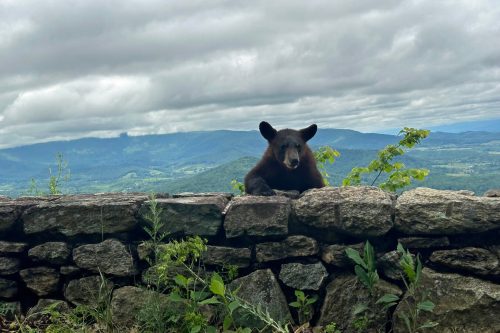 American Black BearMammal · Common
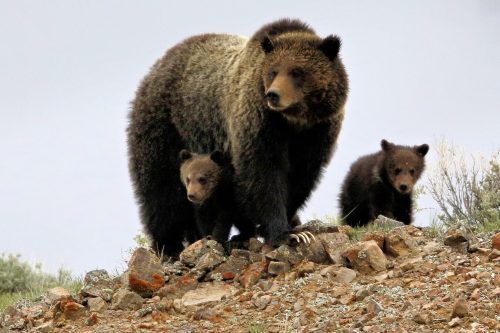 Brown BearMammal · Common
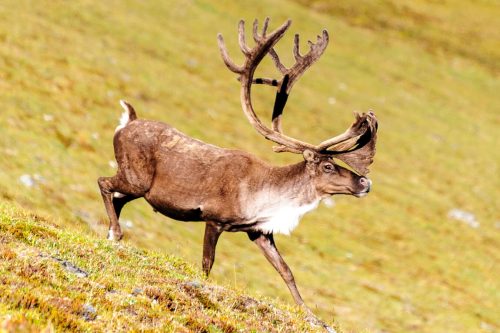 CaribouMammal · Common
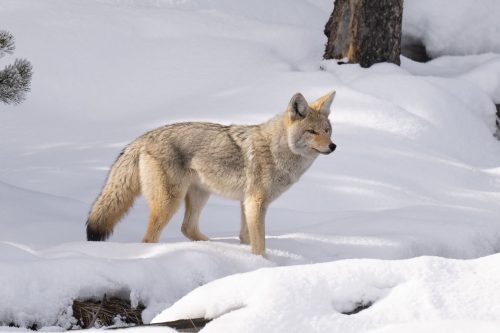 CoyoteMammal · Common
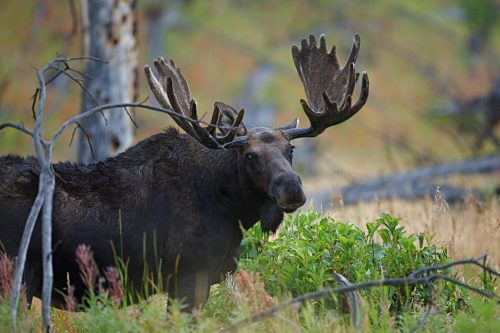 MooseMammal · Common
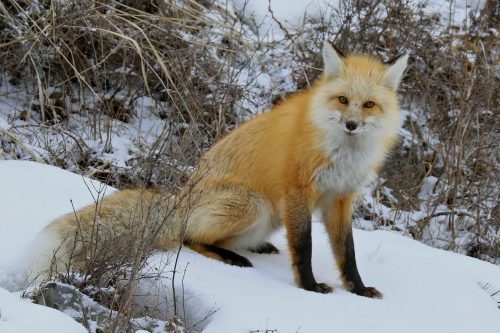 Red FoxMammal · Common
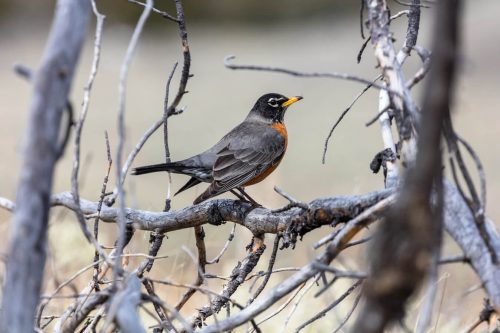 American RobinBird · Common
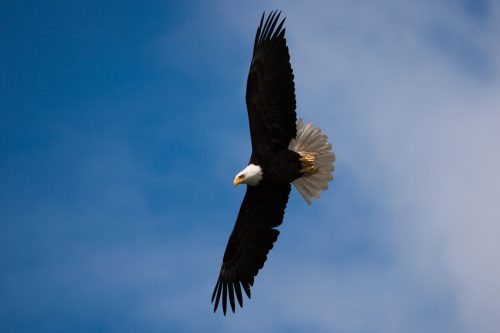 Bald EagleBird · Common
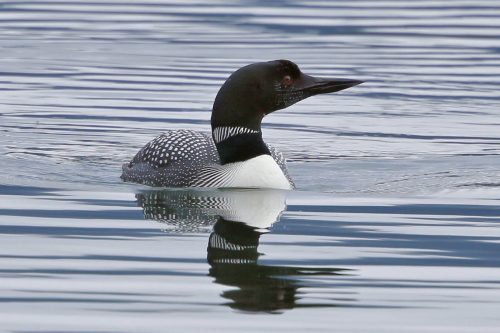 Common LoonBird · Uncommon
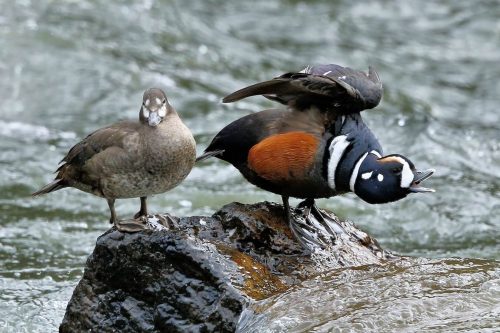 Harlequin DuckBird · Uncommon
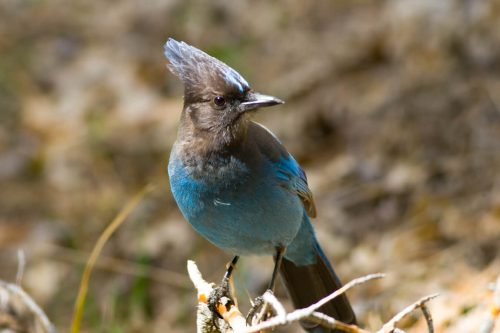 Steller’s JayBird · Uncommon
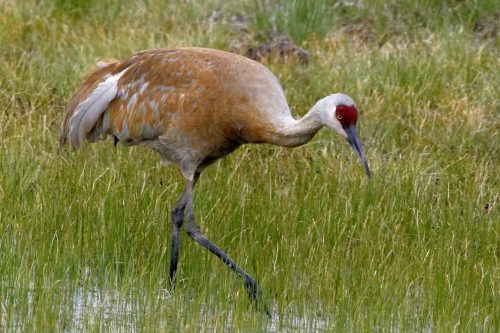 Sandhill CraneBird · Rare
Lake Clark National Park and Preserve Mammals
36 species
- American Beaver(Castor canadensis)
- American Black Bear Photo post(Ursus americanus)
- American Marten(Martes americana)
- Arctic Ground Squirrel(Spermophilus parryii)
- Beluga(Delphinapterus leucas)
- Brown Bear Photo post(Ursus arctos)
- Canada Lynx(Lynx canadensis)
- Caribou Photo post(Rangifer tarandus)
- Collared Pika(Ochotona collaris)
- Coyote Photo post(Canis latrans)
- Dall Sheep(Ovis dalli)
- Ermine(Mustela erminea)
- Gray Wolf(Canis lupus)
- Harbor Porpoise(Phocoena phocoena)
- Harbor Seal(Phoca vitulina)
- Hoary Marmot(Marmota caligata)
- Killer Whale(Orcinus orca)
- Little Brown Bat(Myotis lucifugus)
- Masked Shrew(Sorex cinereus)
- Meadow Jumping Mouse(Zapus hudsonius)
- Meadow Vole(Microtus pennsylvanicus)
- Montane Shrew(Sorex monticolus)
- Moose Photo post(Alces alces)
- Muskrat(Ondatra zibethicus)
- North American Porcupine Photo post(Erethizon dorsatum)
- Northern Bog Lemming(Synaptomys borealis)
- Northern Red-backed Vole(Clethrionomys rutilus)
- Northern Sea Otter(Enhydra lutris kenyoni)
- Red Fox Photo post(Vulpes vulpes)
- Red Squirrel(Tamiasciurus hudsonicus)
- Singing Vole(Microtus miurus)
- Snowshoe Hare(Lepus americanus)
- Tiny Shrew(Sorex yukonicus)
- Tundra Shrew(Sorex tundrensis)
- Tundra Vole(Microtus oeconomus)
- Wolverine(Gulo gulo)
No mammals match.
Lake Clark National Park and Preserve Birds
158 species
- Alder Flycatcher(Empidonax alnorum)
- American Coot(Fulica americana)
- American Dipper(Cinclus mexicanus)
- American Golden-plover(Pluvialis dominica)
- American Kestrel(Falco sparverius)
- American Pipit(Anthus rubescens)
- American Robin Photo post(Turdus migratorius)
- American Three-toed Woodpecker(Picoides dorsalis)
- American Tree Sparrow(Spizella arborea)
- American Wigeon(Anas americana)
- Arctic Tern(Sterna paradisaea)
- Baird’s Sandpiper(Calidris bairdii)
- Bald Eagle Photo post(Haliaeetus leucocephalus)
- Bank Swallow(Riparia riparia)
- Bar-tailed Godwit(Limosa lapponica)
- Barrow’s Goldeneye(Bucephala clangula)
- Belted Kingfisher(Ceryle alcyon)
- Black Oystercatcher(Haematopus bachmani)
- Black Scoter(Melanitta nigra)
- Black Turnstone(Arenaria melanocephala)
- Black-bellied Plover(Pluvialis squatarola)
- Black-billed Magpie(Pica hudsonia)
- Black-capped Chickadee(Poecile atricapillus)
- Black-legged Kittiwake(Rissa tridactyla)
- Blackpoll Warbler(Dendroica striata)
- Blue-winged Teal(Anas discors)
- Bohemian Waxwing(Bombycilla garrulus)
- Bonaparte’s Gull(Larus philadelphia)
- Boreal Chickadee(Poecile hudsonica)
- Brant(Branta bernicla)
- Brown Creeper(Certhia americana)
- Bufflehead(Bucephala albeola)
- Canada Goose(Branta canadensis)
- Canvasback(Aythya valisineria)
- Cliff Swallow(Petrochelidon pyrrhonota)
- Common Eider(Somateria mollissima)
- Common Goldeneye(Bucephala islandica)
- Common Loon Photo post(Gavia immer)
- Common Merganser(Mergus merganser)
- Common Murre(Uria aalge)
- Common Raven(Corvus corax)
- Common Redpoll(Carduelis flammea)
- Dark-eyed Junco(Junco hyemalis)
- Double-crested Cormorant(Phalacrocorax auritus)
- Downy Woodpecker(Picoides pubescens)
- Dunlin(Calidris alpina)
- Eastern Yellow Wagtail(Motacilla tschutschensis)
- Emperor Goose(Chen canagica)
- Eurasian Wigeon(Anas penelope)
- Fox Sparrow(Passerella iliaca)
- Glaucous-winged Gull(Larus glaucescens)
- Golden Eagle(Aquila chrysaetos)
- Golden-crowned Kinglet(Regulus satrapa)
- Golden-crowned Sparrow(Zonotrichia atricapilla)
- Gray Jay(Perisoreus canadensis)
- Gray-cheeked Thrush(Catharus minimus)
- Gray-crowned Rosy-finch(Leucosticte tephrocotis)
- Great Horned Owl(Bubo virginianus)
- Greater Scaup(Aythya marila)
- Greater Yellowlegs(Tringa melanoleuca)
- Green-winged Teal(Anas crecca)
- Gyrfalcon(Falco rusticolus)
- Hairy Woodpecker(Picoides villosus)
- Harlequin Duck Photo post(Histrionicus histrionicus)
- Hermit Thrush(Catharus guttatus)
- Herring Gull(Larus argentatus)
- Hoary Redpoll(Carduelis hornemanni)
- Horned Grebe(Podiceps auritus)
- Horned Lark(Eremophila alpestris)
- Horned Puffin(Fratercula corniculata)
- Hudsonian Godwit(Limosa haemastica)
- Kittlitz’s Murrelet(Brachyramphus brevirostris)
- Lapland Longspur(Calcarius lapponicus)
- Least Sandpiper(Calidris minutilla)
- Lesser Scaup(Aythya affinis)
- Lesser Yellowlegs(Tringa flavipes)
- Lincoln’s Sparrow(Melospiza lincolnii)
- Long-billed Dowitcher(Limnodromus scolopaceus)
- Long-tailed Duck(Clangula hyemalis)
- Long-tailed Jaeger(Stercorarius longicaudus)
- Mallard(Anas platyrhynchos)
- Marbled Murrelet(Brachyramphus marmoratus)
- Merlin(Falco columbarius)
- Mew Gull(Larus canus)
- Northern Flicker(Colaptes auratus)
- Northern Goshawk(Accipiter gentilis)
- Northern Harrier(Circus cyaneus)
- Northern Hawk-owl(Surnia ulula)
- Northern Pintail(Anas acuta)
- Northern Saw-whet Owl(Aegolius acadicus)
- Northern Shoveler(Anas clypeata)
- Northern Shrike(Lanius excubitor)
- Northern Waterthrush(Seiurus noveboracensis)
- Northern Wheatear(Oenanthe oenanthe)
- Olive-sided Flycatcher(Contopus cooperi)
- Orange-crowned Warbler(Vermivora celata)
- Osprey(Pandion haliaetus)
- Pacific Golden-plover(Pluvialis fulva)
- Pacific Loon(Gavia pacifica)
- Pectoral Sandpiper(Calidris melanotos)
- Pelagic Cormorant(Phalacrocorax pelagicus)
- Peregrine Falcon(Falco peregrinus)
- Pigeon Guillemot(Cepphus columba)
- Pine Grosbeak(Pinicola enucleator)
- Pine Siskin(Carduelis pinus)
- Pomarine Jaeger(Stercorarius pomarinus)
- Red Knot(Calidris canutus)
- Red-breasted Merganser(Mergus serrator)
- Red-necked Grebe(Podiceps grisegena)
- Red-necked Phalarope(Phalaropus lobatus)
- Red-throated Loon(Gavia stellata)
- Redhead(Aythya americana)
- Ring-necked Duck(Aythya collaris)
- Rock Ptarmigan(Lagopus muta)
- Rock Sandpiper(Calidris ptilocnemis)
- Rough-legged Hawk(Buteo lagopus)
- Ruby-crowned Kinglet(Regulus calendula)
- Rufous Hummingbird(Selasphorus rufus)
- Rusty Blackbird(Euphagus carolinus)
- Sanderling(Calidris alba)
- Sandhill Crane Photo post(Grus canadensis)
- Savannah Sparrow(Passerculus sandwichensis)
- Say’s Phoebe(Sayornis saya)
- Semipalmated Plover(Charadrius semipalmatus)
- Semipalmated Sandpiper(Calidris pusilla)
- Sharp-shinned Hawk(Accipiter striatus)
- Short-billed Dowitcher(Limnodromus griseus)
- Short-eared Owl(Asio flammeus)
- Snow Bunting(Plectrophenax nivalis)
- Snow Goose(Chen caerulescens)
- Solitary Sandpiper(Tringa solitaria)
- Song Sparrow(Melospiza melodia)
- Spotted Sandpiper(Actitis macularius)
- Spruce Grouse(Falcipennis canadensis)
- Steller’s Jay Photo post(Cyanocitta stelleri)
- Surf Scoter(Melanitta perspicillata)
- Surfbird(Aphriza virgata)
- Swainson’s Thrush(Catharus ustulatus)
- Three-toed Woodpecker(Picoides tridactylus)
- Tree Swallow(Tachycineta bicolor)
- Trumpeter Swan(Cygnus buccinator)
- Tufted Puffin(Fratercula cirrhata)
- Tundra Swan(Cygnus columbianus)
- Varied Thrush(Ixoreus naevius)
- Violet-green Swallow(Tachycineta thalassina)
- Wandering Tattler(Tringa incana)
- Western Sandpiper(Calidris mauri)
- Whimbrel(Numenius phaeopus)
- White-crowned Sparrow(Zonotrichia leucophrys)
- White-fronted Goose(Anser albifrons)
- White-tailed Ptarmigan(Lagopus leucura)
- White-winged Crossbill(Loxia leucoptera)
- White-winged Scoter(Melanitta fusca)
- Willow Ptarmigan(Lagopus lagopus)
- Wilson’s Snipe(Gallinago delicata)
- Wilson’s Warbler(Wilsonia pusilla)
- Yellow Warbler(Dendroica petechia)
- Yellow-rumped Warbler(Dendroica coronata)
No birds match.
Lake Clark National Park and Preserve Reptiles
0 species
NPSpecies currently lists no reptiles as present in this park.
Lake Clark National Park and Preserve Amphibians
1 species
- Wood Frog(Rana sylvatica)
No amphibians match.
Lake Clark National Park and Preserve Fish
43 species
- Arctic Char(Salvelinus alpinus)
- Arctic Grayling(Thymallus arcticus)
- Arctic Lamprey(Lethenteron japonicum)
- Armorhead Sculpin(Gymnocanthus galeatus)
- Arrowtooth Flounder(Reinhardtius stomias)
- Burbot(Lota lota)
- Butter Sole(Isopsetta isolepis)
- Chinook Salmon(Oncorhynchus tshawytscha)
- Chum Salmon(Oncorhynchus keta)
- Coastrange Sculpin(Cottus aleuticus)
- Coho Salmon(Oncorhynchus kisutch)
- Daubed Shanny(Leptoclinus maculatus)
- Dolly Varden(Salvelinus malma)
- Eulachon(Thaleichthys pacificus)
- Humpback Whitefish(Coregonus clupeaformis)
- Lake Trout(Salvelinus namaycush)
- Least Cisco(Coregonus sardinella)
- Longfin Smelt(Spirinchus thaleichthys)
- Longnose Sucker(Catostomus catostomus)
- Masked Greenling(Hexagrammos octogrammus)
- Ninespine Stickleback(Pungitius pungitius)
- Northern Pike(Esox lucius)
- Pacific Cod(Gadus macrocephalus)
- Pacific Herring(Clupea harengus pallasii)
- Pacific Sand Lance(Ammodytes hexapterus)
- Pacific Sandfish(Trichodon trichodon)
- Pacific Tomcod(Microgadus proximus)
- Pink Salmon(Oncorhynchus gorbuscha)
- Pygmy Whitefish(Prosopium coulterii)
- Rainbow Trout(Oncorhynchus mykiss)
- Round Whitefish(Prosopium cylindraceum)
- Slimy Sculpin(Cottus cognatus)
- Snake Prickleback(Lumpenus sagitta)
- Sockeye Salmon(Oncorhynchus nerka)
- Staghorn Sculpin(Leptocottus armatus)
- Starry Flounder(Platichthys stellatus)
- Sturgeon Poacher(Podothecus accipenserinus)
- Surf Smelt(Hypomesus pretiosus)
- Threespine Stickleback(Gasterosteus aculeatus)
- Tubenose Poacher(Pallasina barbata)
- Variegated Snailfish(Liparis gibbus)
- Walleye Pollock(Theragra chalcogramma)
- Yellowfin Sole(Limanda aspera)
No fish match.
Note: The wildlife species included in the lists above have been confirmed with the National Park Service to be present in Lake Clark National Park and Preserve. Other species may exist in the park that are currently under review or not yet known.
Do you want to be featured on National Park Photographer?
Why wait! Contact us today at nationalparkphoto@gmail.com for more information!