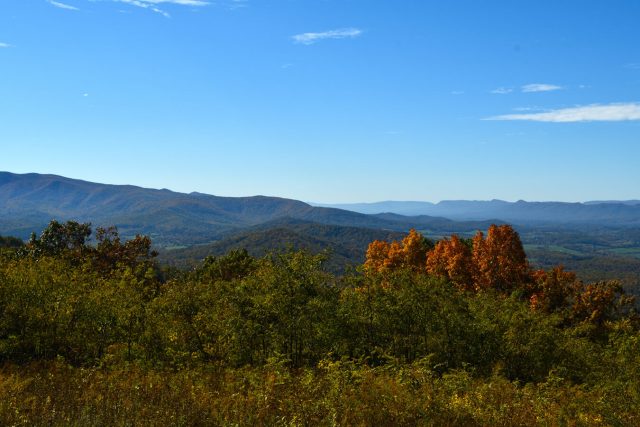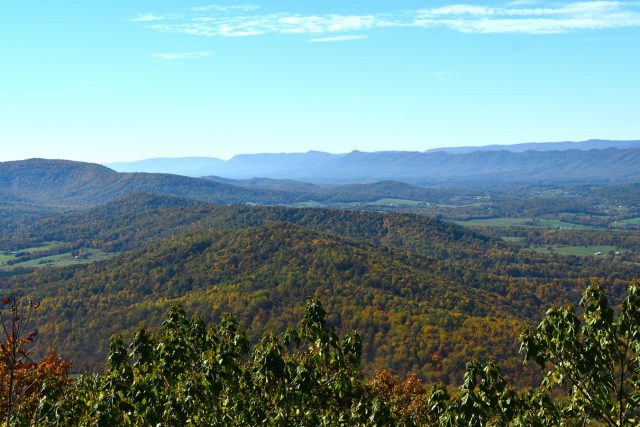

Black Canyon of the Gunnison National Park in western Colorado has wildlife adapted to its steep cliffs and deep gorges. Large mammals such as mule deer, elk and black bears are often seen foraging in the forests and meadows around the canyon, while mountain lions and bobcats keep to more secluded areas. Golden eagles and peregrine falcons soar above the canyon walls, and songbirds and woodpeckers live in the wooded areas.
The rivers and streams hold plenty of fish, especially trout, which draw anglers, and lizards and snakes bask on the rocky outcrops. Keep reading to see featured photos of Black Canyon of the Gunnison’s wildlife and to learn more about wildlife photography.
Featured Black Canyon of the Gunnison National Park Wildlife Photographs
Have a National Park Wildlife photograph you’d like featured? Contact us today to learn more!
Wildlife Photography Tips
Wildlife photography in the US National Parks offers a unique and enriching experience, as these protected areas are havens for diverse species and pristine natural landscapes. Capturing wildlife in such settings requires preparation and respect for both the environment and its inhabitants. Photographers should familiarize themselves with the specific animals and ecosystems of the park they are visiting, as each park hosts different species and behaviors. Early mornings and late afternoons, known as the golden hours, provide the best light and increased wildlife activity. Different seasons also offer different wildlife viewing opportunities. Patience and stillness are key, as the best moments often come to those who wait quietly.
If wildlife does present itself, always make sure to maintain a safe distance. Using a telephoto lens allows for close-up shots without intruding on the animals’ space. If you already own or want to own a professional grade mirrored camera like the Canon EOS 5D Mark IV Full Frame Digital SLR, we recommend using a Canon EF 100-400mm f/4.5-5.6L IS II USM Lens zoom lens for wildlife photography. If you have or are interested in a newer mirrorless model like the Canon EOS R5 Full-Frame Mirrorless Camera, we recommend using a Canon RF100-400mm F5.6-8 IS USM Black for long distance shots.
Not quite ready to invest in traditional professional-grade camera equipment but want to enhance the quality of your cell phone photographs? Consider using a Moment Tele 58mm Mobile Lens II for improved reach, and use a Moment camera case with a lens mount to attach it to your phone. Since cell phones generally cannot provide the same reach as a dedicated telephoto camera lens, never compensate by moving dangerously close to wildlife. As with any visit to a national park, it’s important to follow park regulations, practice “Leave No Trace” principles, and prioritize safety while photographing wildlife.
Want to take your wildlife photos further? Featured photographer Vella Torvik shares her field-tested advice on gear, camera settings, light, composition and safely approaching wildlife in our Wildlife Photography 101: Insider Tips From the Field masterclass.

Black Canyon of the Gunnison Wildlife Education and Resources
Want to learn more about Black Canyon of the Gunnison National Park and the wildlife that inhabits it? Check out these guides & books:
- Peterson Field Guide To Mammals Of North America: Fourth Edition (Peterson Field Guides)
- Peterson Field Guide To Birds Of Western North America, Fifth Edition (Peterson Field Guides)
- Bird Songs: 250 North American Birds in Song
- Peterson Field Guide To Western Reptiles & Amphibians, Fourth Edition (Peterson Field Guides)
- Peterson Field Guide to Freshwater Fishes, Second Edition (Peterson Field Guides)
- Animal Tracks: A Folding Pocket Guide to the Tracks & Signs of Familiar North American Species (Wildlife and Nature Identification)
Please note, by making purchases through our affiliate links, you are supporting our mission to celebrate and showcase our National Parks and the photographers who frequent them. As an Amazon Associate, National Park Photographer earns from qualifying purchases at no cost to you. We appreciate your support.
Black Canyon of the Gunnison National Park Species List
The wildlife at Black Canyon of the Gunnison National Park is beautiful and diverse. There are a variety of mammals, birds, reptiles, amphibians and fish to view. Check out all the incredible species this park has to offer! Click on the links below to see the different animal species that inhabit Black Canyon of the Gunnison National Park:
Species Spotlight
Photo posts of animals you’ll find in Black Canyon of the Gunnison.
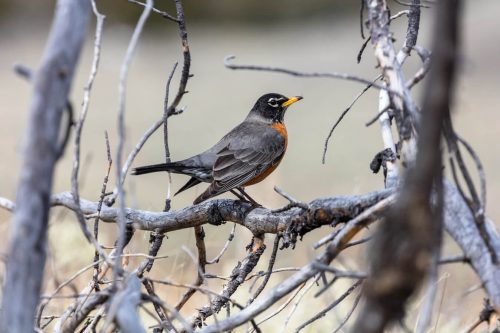 American RobinBird · Common
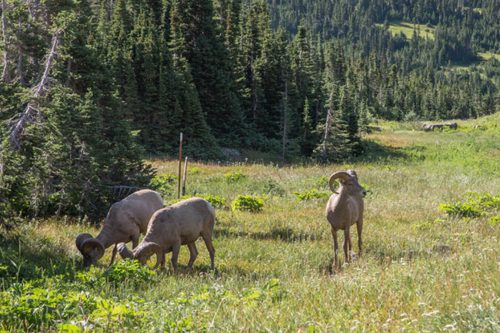 Bighorn SheepMammal · Uncommon
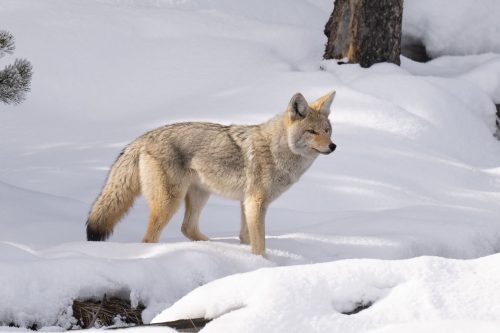 CoyoteMammal · Uncommon
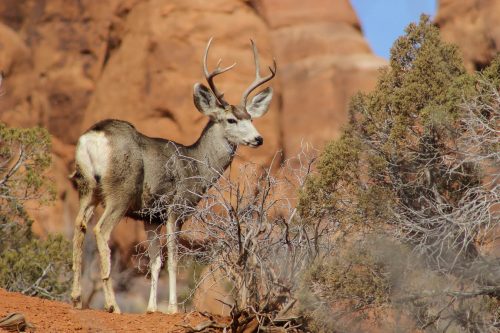 Mule DeerMammal · Uncommon
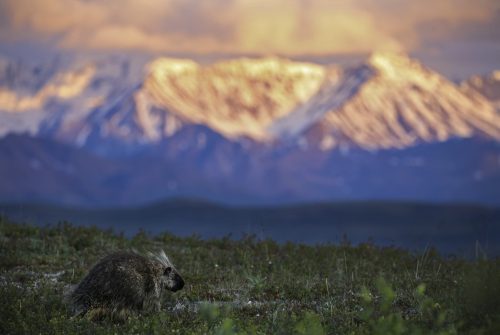 North American PorcupineMammal · Uncommon
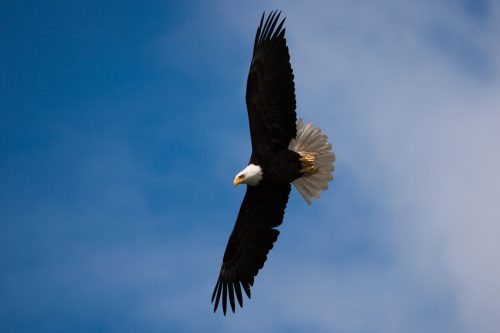 Bald EagleBird · Uncommon
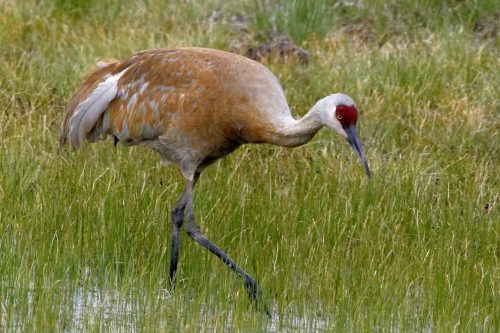 Sandhill CraneBird · Uncommon
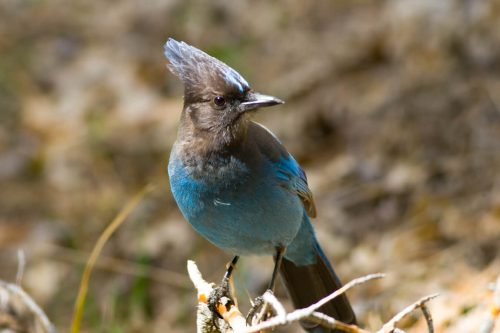 Steller’s JayBird · Uncommon
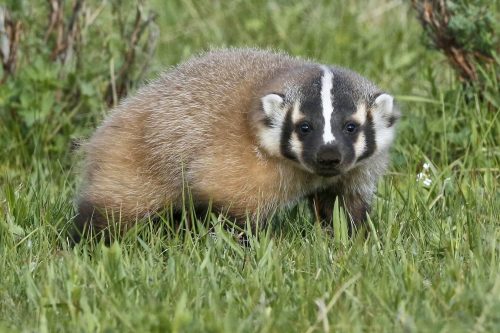 American BadgerMammal · Unknown
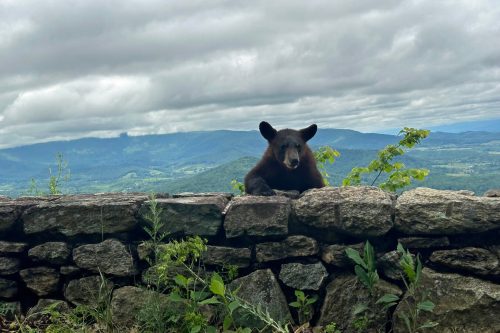 American Black BearMammal · Unknown
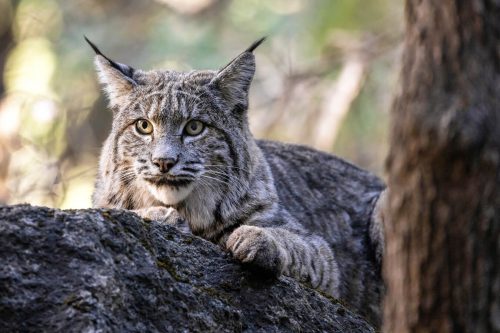 BobcatMammal · Unknown
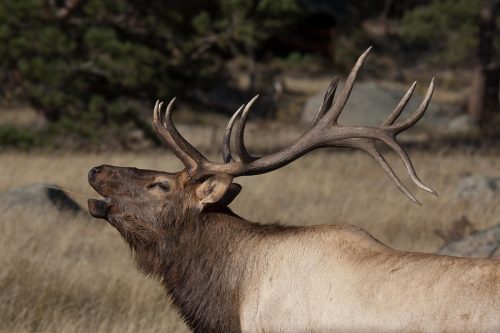 ElkMammal · Unknown
Black Canyon of the Gunnison National Park Mammals
50 species
- American Badger Photo post(Taxidea taxus)
- American Beaver(Castor canadensis)
- American Black Bear Photo post(Ursus americanus)
- American Mink(Mustela vison)
- Big Brown Bat(Eptesicus fuscus)
- Big Free-tailed Bat(Nyctinomops macrotis)
- Bighorn Sheep Photo post(Ovis canadensis)
- Bobcat Photo post(Lynx rufus)
- Brush Mouse(Peromyscus boylii)
- Bushy-tailed Woodrat(Neotoma cinerea)
- Canyon Mouse(Peromyscus crinitus)
- Common Gray Fox(Urocyon cinereoargenteus)
- Coyote Photo post(Canis latrans)
- Deer Mouse(Peromyscus maniculatus)
- Elk Photo post(Cervus canadensis)
- Fringed Myotis(Myotis thysanodes)
- Golden-mantled Ground Squirrel Photo post(Spermophilus lateralis)
- Hoary Bat(Aeorestes cinereus)
- Hopi Chipmunk(Neotamias rufus)
- Least Chipmunk(Neotamias minimus)
- Little Brown Bat(Myotis lucifugus)
- Long-eared Myotis(Myotis evotis)
- Long-legged Myotis(Myotis volans)
- Long-tailed Vole(Microtus longicaudus)
- Long-tailed Weasel(Mustela frenata)
- Masked Shrew(Sorex cinereus)
- Montane Vole(Microtus montanus)
- Mountain Cottontail(Sylvilagus nuttallii)
- Mountain Lion Photo post(Puma concolor)
- Mule Deer Photo post(Odocoileus hemionus)
- North American Porcupine Photo post(Erethizon dorsatum)
- Northern Pocket Gopher(Thomomys talpoides)
- Northern Raccoon(Procyon lotor)
- Northern River Otter(Lontra canadensis)
- Pallid Bat(Antrozous pallidus)
- Pinon Mouse(Peromyscus truei)
- Preble’s Shrew(Sorex preblei)
- Red Fox Photo post(Vulpes vulpes)
- Red Squirrel(Tamiasciurus hudsonicus)
- Ringtail(Bassariscus astutus)
- Rock Squirrel(Otospermophilus variegatus)
- Silver-haired Bat(Lasionycteris noctivagans)
- Spotted Bat(Euderma maculatum)
- Striped Skunk(Mephitis mephitis)
- Townsend’s Big-eared Bat(Corynorhinus townsendii)
- Western Pipistrelle(Parastrellus hesperus)
- Western Small-footed Myotis(Myotis ciliolabrum)
- White-tailed Jackrabbit(Lepus townsendii)
- Yellow-bellied Marmot(Marmota flaviventris)
- Yuma Myotis(Myotis yumanensis)
No mammals match.
Black Canyon of the Gunnison National Park Birds
143 species
- American Crow(Corvus brachyrhynchos)
- American Dipper(Cinclus mexicanus)
- American Goldfinch(Spinus tristis)
- American Kestrel(Falco sparverius)
- American Robin Photo post(Turdus migratorius)
- American Three-toed Woodpecker(Picoides dorsalis)
- American Wigeon(Mareca americana)
- Ash-throated Flycatcher(Myiarchus cinerascens)
- Bald Eagle Photo post(Haliaeetus leucocephalus)
- Band-tailed Pigeon(Patagioenas fasciata)
- Barn Owl(Tyto alba)
- Barn Swallow(Hirundo rustica)
- Barrow’s Goldeneye(Bucephala islandica)
- Belted Kingfisher(Megaceryle alcyon)
- Bewick’s Wren(Thryomanes bewickii)
- Black Rosy-finch(Leucosticte atrata)
- Black-billed Magpie(Pica hudsonia)
- Black-capped Chickadee(Poecile atricapillus)
- Black-chinned Hummingbird(Archilochus alexandri)
- Black-headed Grosbeak(Pheucticus melanocephalus)
- Black-throated Gray Warbler(Setophaga nigrescens)
- Black-throated Sparrow(Amphispiza bilineata)
- Blue Grosbeak(Passerina caerulea)
- Blue Grouse(Dendragapus obscurus)
- Blue-gray Gnatcatcher(Polioptila caerulea)
- Brewer’s Blackbird(Euphagus cyanocephalus)
- Brewer’s Sparrow(Spizella breweri)
- Broad-tailed Hummingbird(Selasphorus platycercus)
- Brown Creeper(Certhia americana)
- Brown Thrasher(Toxostoma rufum)
- Brown-headed Cowbird(Molothrus ater)
- Bullock’s Oriole(Icterus bullockii)
- Bushtit(Psaltriparus minimus)
- Canada Goose(Branta canadensis)
- Canyon Wren(Catherpes mexicanus)
- Cassin’s Finch(Haemorhous cassinii)
- Chipping Sparrow(Spizella passerina)
- Chukar(Alectoris chukar)
- Clark’s Nutcracker(Nucifraga columbiana)
- Cliff Swallow(Petrochelidon pyrrhonota)
- Common Goldeneye(Bucephala clangula)
- Common Merganser(Mergus merganser)
- Common Nighthawk(Chordeiles minor)
- Common Poorwill(Phalaenoptilus nuttallii)
- Common Raven(Corvus corax)
- Cooper’s Hawk(Accipiter cooperii)
- Cordilleran Flycatcher(Empidonax difficilis occidentalis)
- Dark-eyed Junco(Junco hyemalis)
- Downy Woodpecker(Dryobates pubescens)
- Dusky Flycatcher(Empidonax oberholseri)
- European Starling(Sturnus vulgaris)
- Evening Grosbeak(Coccothraustes vespertinus)
- Flammulated Owl(Psiloscops flammeolus)
- Golden Eagle(Aquila chrysaetos)
- Gray Catbird(Dumetella carolinensis)
- Gray Flycatcher(Empidonax wrightii)
- Gray Vireo(Vireo vicinior)
- Gray-crowned Rosy-finch(Leucosticte tephrocotis)
- Great Blue Heron(Ardea herodias)
- Great Horned Owl(Bubo virginianus)
- Green-tailed Towhee(Pipilo chlorurus)
- Gunnison Sage-grouse(Centrocercus minimus)
- Hairy Woodpecker(Dryobates villosus)
- Hammond’s Flycatcher(Empidonax hammondii)
- Hermit Thrush(Catharus guttatus)
- Hooded Merganser(Lophodytes cucullatus)
- Horned Lark(Eremophila alpestris)
- House Finch(Haemorhous mexicanus)
- House Sparrow(Passer domesticus)
- House Wren(Troglodytes aedon)
- Indigo Bunting(Passerina cyanea)
- Juniper Titmouse(Baeolophus ridgwayi)
- Killdeer(Charadrius vociferus)
- Lark Sparrow(Chondestes grammacus)
- Lazuli Bunting(Passerina amoena)
- Lesser Goldfinch(Spinus psaltria)
- Lewis’s Woodpecker(Melanerpes lewis)
- Loggerhead Shrike(Lanius ludovicianus)
- Long-eared Owl(Asio otus)
- MacGillivray’s Warbler(Geothlypis tolmiei)
- Mallard(Anas platyrhynchos)
- Merlin(Falco columbarius)
- Mountain Bluebird(Sialia currucoides)
- Mountain Chickadee(Poecile gambeli)
- Mourning Dove(Zenaida macroura)
- Northern Flicker(Colaptes auratus)
- Northern Goshawk(Accipiter gentilis)
- Northern Harrier(Circus hudsonius)
- Northern Mockingbird(Mimus polyglottos)
- Northern Pygmy-owl(Glaucidium gnoma)
- Northern Saw-whet Owl(Aegolius acadicus)
- Olive-sided Flycatcher(Contopus cooperi)
- Orange-crowned Warbler(Leiothlypis celata)
- Osprey(Pandion haliaetus)
- Peregrine Falcon(Falco peregrinus)
- Pine Siskin(Spinus pinus)
- Pinyon Jay(Gymnorhinus cyanocephalus)
- Plumbeous Vireo(Vireo plumbeus)
- Prairie Falcon(Falco mexicanus)
- Pygmy Nuthatch(Sitta pygmaea)
- Red Crossbill(Loxia curvirostra)
- Red-breasted Nuthatch(Sitta canadensis)
- Red-naped Sapsucker(Sphyrapicus nuchalis)
- Red-tailed Hawk(Buteo jamaicensis)
- Red-winged Blackbird(Agelaius phoeniceus)
- Ring-necked Pheasant(Phasianus colchicus)
- Rock Dove(Columba livia)
- Rock Wren(Salpinctes obsoletus)
- Ruby-crowned Kinglet(Corthylio calendula)
- Rufous Hummingbird(Selasphorus rufus)
- Sage Thrasher(Oreoscoptes montanus)
- Sandhill Crane Photo post(Antigone canadensis)
- Say’s Phoebe(Sayornis saya)
- Sharp-shinned Hawk(Accipiter striatus)
- Song Sparrow(Melospiza melodia)
- Spotted Sandpiper(Actitis macularius)
- Spotted Towhee(Pipilo maculatus)
- Steller’s Jay Photo post(Cyanocitta stelleri)
- Swainson’s Hawk(Buteo swainsoni)
- Swainson’s Thrush(Catharus ustulatus)
- Townsend’s Solitaire(Myadestes townsendi)
- Townsend’s Warbler(Setophaga townsendi)
- Tree Swallow(Tachycineta bicolor)
- Turkey Vulture(Cathartes aura)
- Vesper Sparrow(Pooecetes gramineus)
- Violet-green Swallow(Tachycineta thalassina)
- Virginia’s Warbler(Leiothlypis virginiae)
- Warbling Vireo(Vireo gilvus)
- Western Bluebird(Sialia mexicana)
- Western Kingbird(Tyrannus verticalis)
- Western Meadowlark(Sturnella neglecta)
- Western Tanager(Piranga ludoviciana)
- Western Wood-pewee(Contopus sordidulus)
- White-breasted Nuthatch(Sitta carolinensis)
- White-crowned Sparrow(Zonotrichia leucophrys)
- White-throated Swift(Aeronautes saxatalis)
- Wild Turkey(Meleagris gallopavo)
- Williamson’s Sapsucker(Sphyrapicus thyroideus)
- Wilson’s Warbler(Cardellina pusilla)
- Woodhouse’s Scrub-jay(Aphelocoma woodhouseii)
- Yellow Warbler(Setophaga petechia)
- Yellow-breasted Chat(Icteria virens)
- Yellow-rumped Warbler(Setophaga coronata)
No birds match.
Black Canyon of the Gunnison National Park Reptiles
9 species
- Common Sagebrush Lizard(Sceloporus graciosus)
- Eastern Collared Lizard(Crotaphytus collaris)
- Gophersnake(Pituophis catenifer)
- Greater Short-horned Lizard(Phrynosoma hernandesi)
- Plateau Lizard(Sceloporus tristichus)
- Plateau Striped Whiptail(Cnemidophorus velox)
- Smooth Greensnake(Opheodrys vernalis)
- Terrestrial Gartersnake(Thamnophis elegans)
- Tree Lizard(Urosaurus ornatus)
No reptiles match.
Black Canyon of the Gunnison National Park Amphibians
1 species
- Tiger Salamander(Ambystoma tigrinum)
No amphibians match.
Black Canyon of the Gunnison National Park Fish
9 species
- Bluehead Sucker(Pantosteus discobolus)
- Brown Trout(Salmo trutta)
- Colorado Cutthroat Trout(Oncorhynchus clarkii pleuriticus)
- Flannelmouth Sucker(Catostomus latipinnis)
- Long-nose Sucker(Catostomus catostomus)
- Mottled Sculpin(Cottus bairdii)
- Rainbow Trout(Oncorhynchus mykiss)
- Speckled Dace(Rhinichthys osculus)
- White Sucker(Catostomus commersonii)
No fish match.
Note: The wildlife species included in the lists above have been confirmed with the National Park Service to be present in Black Canyon of the Gunnison National Park. Other species may exist in the park that are currently under review or not yet known.
Do you want to be featured on National Park Photographer?
Why wait! Contact us today at nationalparkphoto@gmail.com for more information!